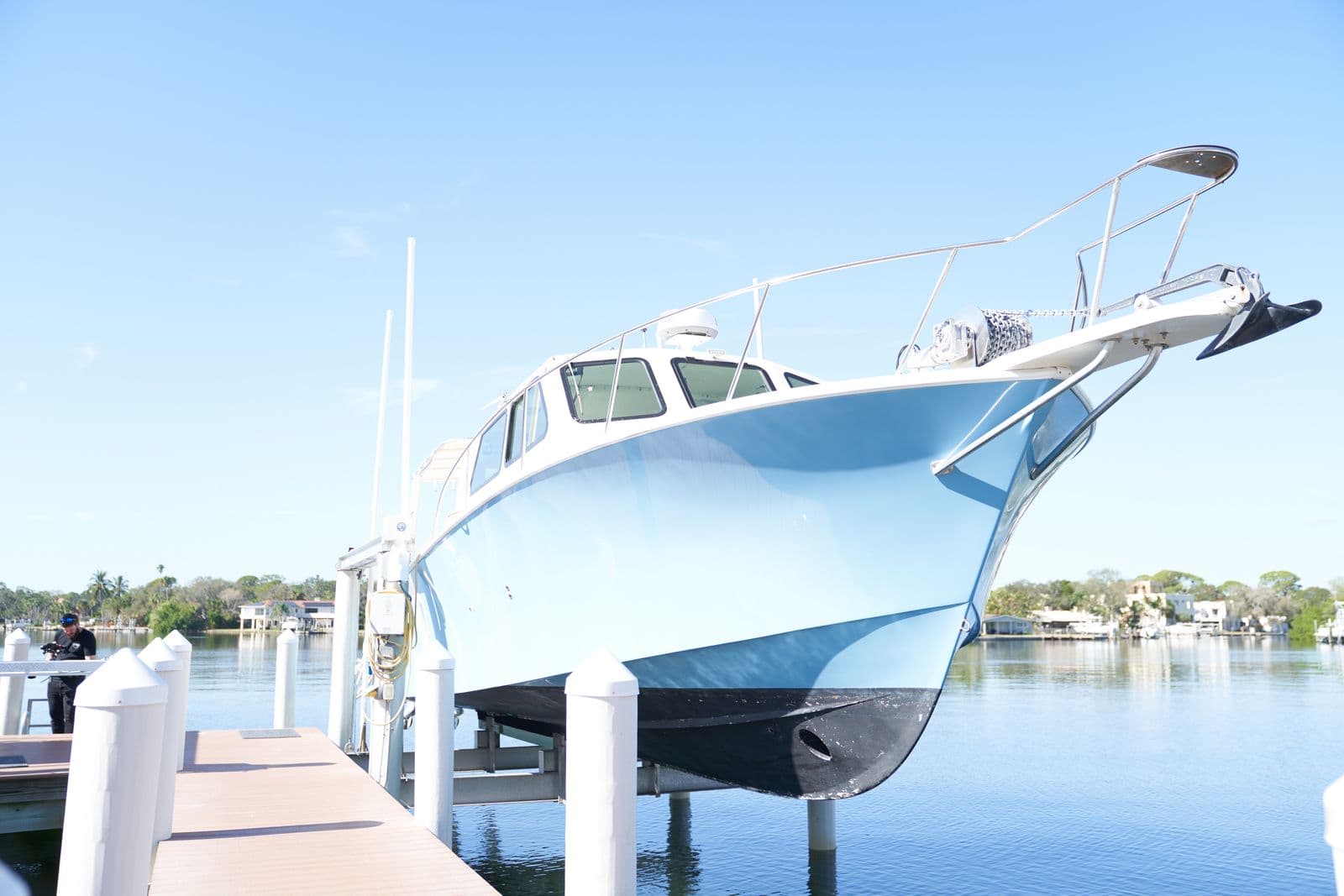
You're back in St. Pete or Clearwater, the condo's aired out, and the boat has been sitting since May. Before you turn the key, it's worth an hour with a flashlight. Five months of Florida summer is hard on a boat that nobody is using, and a careful boat recommissioning catches the small stuff before it turns into a tow or a repair bill.
Boat recommissioning is the check-and-restart routine for a boat that's been sitting: bilge and hoses, batteries, fuel, raw-water strainers and impeller, a supervised first start, then hull, running gear and safety gear. After a Florida summer, the damage comes from heat, humidity and growth, not freezing.
Below is the order we'd work through it, with a one-page table at the end you can screenshot and take to the dock.
Why a Florida Summer Layup Is Different From a Northern Winter
Most recommissioning guides online are written for boaters up north. Their boat spent the winter shrink-wrapped on the hard, and the big worries are cracked blocks and antifreeze in the plumbing. A snowbird's boat in Pinellas County has the opposite season. It sat through the hottest, wettest months of the year, often still in the water or on a lift.
That means a different list of problems:
- Heat and UV dry out rubber hoses, fuel lines, canvas stitching and vinyl. Heat also speeds up battery self-discharge.
- Humidity feeds mildew in cabins, lockers and cushions, and pulls moisture into ethanol-blended gas.
- Afternoon thunderstorms over Boca Ciega Bay and Clearwater Harbor dump rain into cockpits, so scuppers, deck drains and bilge pumps get a workout with nobody watching.
- Warm water grows barnacles and slime fast on hulls, running gear, intakes and raw-water strainers.
- Hurricane season runs June 1 through November 30 (National Hurricane Center), and it isn't over when you get back in late October. Even a quiet year can leave stretched lines, chafed cleats and storm debris behind.
So "dewinterizing" isn't quite the right word here. Florida boat recommissioning is about undoing what heat, water and time did while you were away.
Before You Turn the Key: Walk-Around and Bilge
Start with your eyes and your nose, not the ignition. Check the dock lines and fenders for chafe and stretch, and look at the cleats and pilings they're tied to. If the boat lives on a lift, look at the cables, bunks and motor before you lower it. Then open the hatches and let the boat breathe for a few minutes.
In the bilge, you're looking for three things:
- Water level and color. A little rainwater is normal. Oily, fuel-smelling or rising water isn't.
- Pump and float. Lift the float switch by hand and make sure the pump runs and actually moves water overboard.
- Hoses and clamps. Check every hose on a through-hull for cracks, soft spots and rusted clamps, and work each seacock to make sure it moves.
That last one matters more than it sounds. In 2011, the editor of BoatUS's Seaworthy magazine said the No. 1 cause of boats sinking at the dock is neglect, meaning critical fittings and hoses that nobody maintained (Soundings). A boat that sits unused is exactly where that happens.
While you're down there, look for anything that moved in. Mud daubers and other wasps build in small, dry openings: the outboard's telltale outlet, fuel tank vents and exhaust ports. A packed telltale makes a healthy water pump look dead, and a blocked tank vent can starve the engine with a full tank. Clear them carefully with a soft wire or a length of trimmer line, not a screwdriver.
Last, check the cabin and lockers for mildew, and pull the cushions out to dry in the sun. Look over the canvas and the bimini for split seams and rotted stitching before you stretch them back into place.

Batteries and Shore Power
Batteries are one of the most common reasons a boat that "was fine in April" won't start in October. Even with everything switched off, a lead-acid battery loses roughly 5% of its charge a month at room temperature. Battery University says self-discharge roughly doubles for every 18°F warmer it gets (Battery University), and a Florida engine compartment in August is a lot warmer than room temperature.
Add a small draw from a bilge pump float or electronics memory, and if nothing was charging it, five months can pull a battery below the roughly 60% charge where Battery University says sulfation sets in. A battery that sulfates may take a charge but never hold it again.
Four checks, in this order:
- Voltage before charging. On a flooded or AGM lead-acid battery that's been off the charger for a few hours, 12.6 volts or more is full and 12.4 is about three-quarters. Anything lower has been sitting low. Lithium batteries read differently, so use their monitor. Charge it fully, then load-test it before you trust it offshore.
- Terminals and cables. Clean any white or green corrosion and tighten the connections.
- The charger. If the boat was left on shore power, confirm the charger stayed on. Check the shore power cord and both plug ends for heat marks or burned pins.
- The battery switch and the bilge pump circuit. Confirm the automatic bilge pump is wired to stay live with the main switch off, the way it should be.
Once the batteries are good, power up the electronics, navigation lights and the VHF, and check that everything comes on before you leave the slip.
Fuel: What a Summer Does to Gas in the Tank
If the tank is full of ethanol-blended E10 from last spring, treat it with some suspicion. Ethanol pulls moisture out of humid air, and once the fuel holds more water than it can carry, the water and ethanol drop out together to the bottom of the tank. That's phase separation, and the engine's fuel pickup sits right where that layer ends up. We cover how it happens, and how to spot it, in our fuel phase separation guide.
Before the first start:
- Pull a sample from the water-separating fuel filter bowl, if your setup has one. Clear and bright is good. Cloudy fuel or a visible water layer means stop and drain before you start.
- Change the filters if they're due. Around St. Pete and Clearwater we recommend fresh fuel filters every six months no matter how few hours the engine ran.
- Freshen the tank. If the old fuel looks clean, topping up with fresh fuel dilutes what's left. If it doesn't, get it pumped out properly rather than burning it.
Ethanol-free REC 90 fuel avoids the ethanol-water problem in the first place. That's a point in its favor before a long sit. It still ages, so follow your engine maker's storage steps, stabilizer included.
Cooling, Strainers and the First Start
This is where an engine that sat all summer can get hurt in the first five minutes. Before you start anything, check the raw-water strainers. Warm Gulf water grows barnacles and slime in strainers and intakes, and a half-blocked strainer can starve the water pump. Check the strainers for the engines, generator and air conditioning.
The AC strainer deserves extra attention. Weak cooling-water flow from growth in the strainer and lines caused the faults in our AC E1 error case study.
The water pump impeller is the other worry. Its rubber vanes sit bent in the same position all summer, and they can stiffen or take a set.
In our warm, salty water we recommend inspecting or replacing the impeller about every 100 hours or once a year, whichever comes first. That's our local field guidance on top of the maker's schedule, not a replacement for it. Your owner's manual is still the authority, for the impeller and the fuel filters. If yours is due, do it now rather than finding out offshore.
For the first start:
- Check fluids first: engine oil, gear lube for the lower unit, power steering, and trim and tilt.
- Start it with cooling water flowing, whether the boat is in the water or the engine is on a flush attachment.
- Watch the telltale on an outboard. You want a steady stream within a few seconds. No stream means shut down and find out why.
- Let it come up to operating temperature at idle while you watch the gauges and look for fuel, oil, water and exhaust leaks.
- Listen for anything new: squealing belts, rattles or an alarm you don't recognize.
If the engine was decommissioned before you left, with fogging oil and stabilized fuel, expect some smoke at first. If it wasn't, and it hasn't been serviced in a year, this is a good time to book the 100-hour service before the season gets busy.
Hull, Running Gear and Steering
A boat that sat in the water for five months almost always needs its bottom looked at. Growth on the hull, props, trim tabs and transducers costs speed and fuel, and a fouled prop can make a healthy engine seem weak. If you didn't keep a diver on a schedule while you were gone, plan on a cleaning. Our hull cleaning guide covers how often and what it costs.
Once the bottom is sorted, go through the rest:
- Anodes. Zinc or aluminum anodes wear away by design. Replace any that are half gone.
- Props. Look for dings, missing paint, fishing line around the prop shaft, and a loose prop nut.
- Steering. Turn lock to lock. It should be smooth, with no binding or play, and hydraulic steering shouldn't show any weeping fluid at the helm or the cylinder.
- Trim and tilt. Run it through its full range and look for leaks at the rams.
If the bottom paint is tired or blistered, that's a haul-out job, not a slip job. Our bottom paint guide covers cost and timing, and it's worth planning before spring.

Safety Gear and Paperwork
This is the boring part, and it's the part that gets boaters a ticket on the first weekend out.
- Flares. USCG-approved pyrotechnic flares carry an expiration date no more than 42 months after they're made (46 CFR 160.021). Check the date stamped on each one.
- Fire extinguishers. Check the gauge, the date and the mounting bracket.
- Life jackets and the throwable. Pull them out, count them, and look for torn straps or mildew. Inflatable PFDs need their cylinders and arming status checked.
- Registration. For an individual owner, Florida vessel registration renews in the owner's birth month (FLHSMV). If your birthday month fell while you were away, the decal may already be out of date.
- VHF and EPIRB. Do a radio check, and look at the EPIRB's battery and registration expiration dates.
Your Snowbird Boat Recommissioning Checklist
Here's the whole list on one screen. "Call a pro" doesn't mean you can't do it yourself. It means that's where a second set of trained eyes pays off.
| Area | What to check | DIY or call a pro |
|---|---|---|
| Lines and lift | Chafe, stretch, cleats, lift cables and bunks | DIY |
| Bilge | Water level and smell, float switch, pump discharge | DIY |
| Hoses and seacocks | Cracks, soft hoses, rusted clamps, seacocks that move | DIY check, pro to replace |
| Nests and vents | Telltale, fuel vents, exhaust ports | DIY |
| Batteries | Resting voltage, terminals, charger, load test | DIY plus a load test |
| Fuel | Filter bowl sample, filter dates, tank condition | DIY check, pro if there's water |
| Strainers | Engine, generator and AC strainers | DIY |
| Impeller | Age and hours since it was last replaced | Pro |
| First start | Fluids, telltale, temperature, leaks | DIY, with the manual open |
| Hull and running gear | Growth, anodes, props, steering, trim | Diver or pro |
| Safety and paperwork | Flares, extinguishers, PFDs, registration, VHF | DIY |
If you'd rather walk onto a boat that's already done, our decommissioning and commissioning service covers the full startup: system checks, fluids, an engine test run and a bow-to-stern inspection. Book it before your return date and we'll schedule the startup and inspection around your arrival.
Expert Marine Maintenance
From routine service to major repairs, our team of expert marine technicians handles it all. Full project management so you can enjoy your boat.

Expert Technicians
Certified marine specialists
Next Year: Set Up the Handoff Before You Leave
The easiest boat recommissioning is the one that starts in April. A proper decommissioning before you head north makes October a lot shorter: stabilized fuel, fogged cylinders, fresh oil, a flushed cooling system and batteries set up for storage.
The other half is having someone look at the boat while you're gone. Our vessel management plans put a USCG-certified captain aboard once a month for a 19- to 32-point inspection, depending on the boat's size. That inspection includes the bilge pumps, battery voltage, the engine run up to temperature and the USCG safety gear.
Every visit ends in a written report in the app, so you see a problem in July instead of finding it in October. Plans start at $99 a month for boats under 25 feet, and members get 10% off maintenance labor. Our vessel management guide covers what that looks like month to month.

$99
per month
Starting price for vessels under 25ft
Never Worry About Your Boat Again
Monthly inspections by USCG-certified captains keep your boat ready to go whenever you are.
Monthly Inspections
Full systems checks every month
Full Diagnostics
Engine, electrical, and navigation systems
Coordination
We schedule and manage all maintenance
Peace of Mind
Your boat is always ready when you are
Frequently Asked Questions
The Bottom Line
A boat that sat through a Florida summer isn't broken, but it isn't ready either. Work through the bilge, batteries, fuel, strainers and first start in that order, and the first trip of the season stays a good one. Our goal is to keep you on the water, so if you'd rather skip the flashlight work, let us handle the boat recommissioning, or set up vessel management before you leave next year. Call (727) 472-9883 or contact us to get on the schedule.
Related: Vessel Management | Decommissioning & Commissioning | Service Areas
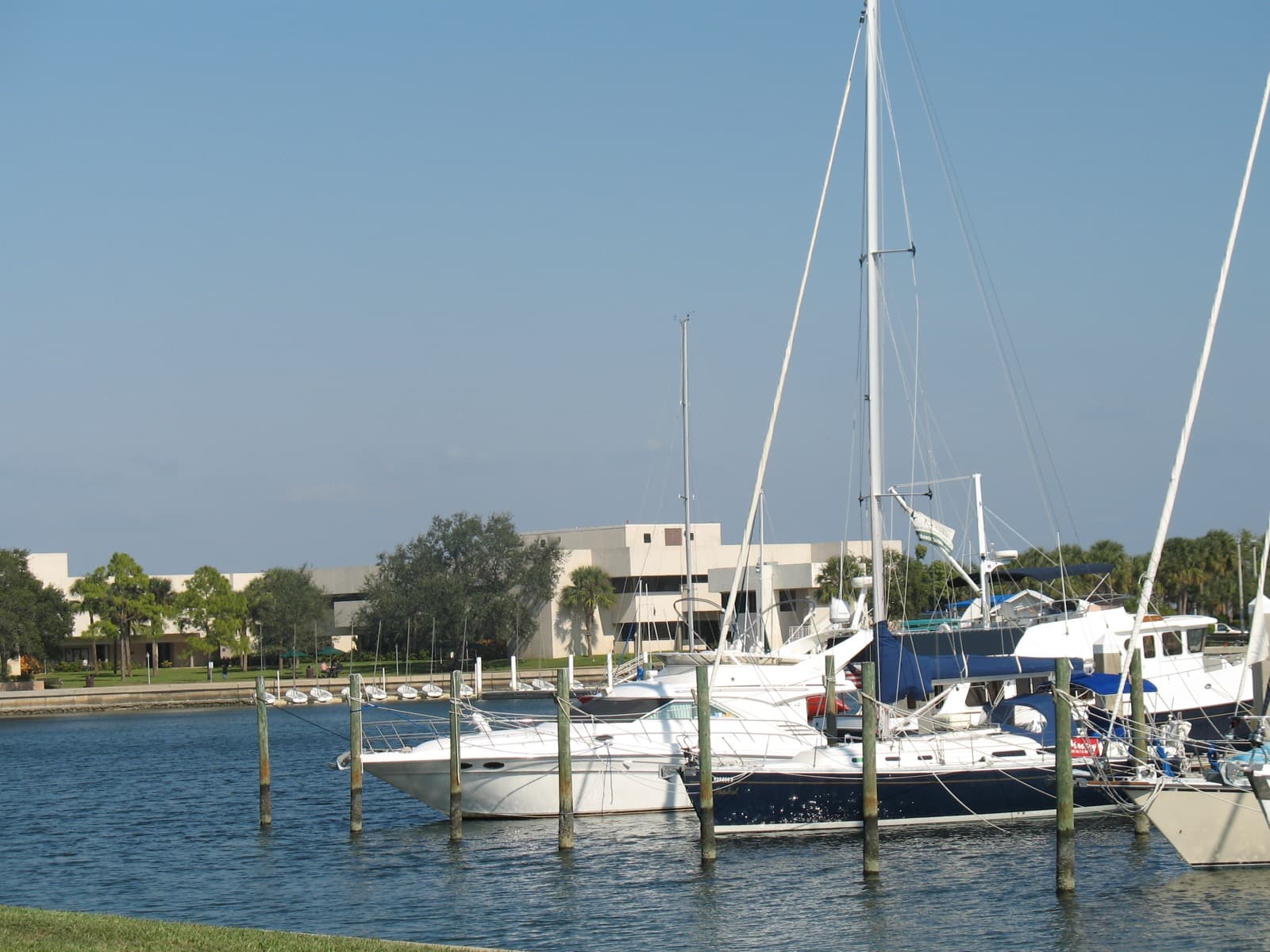
Photo credits: St. Petersburg marina photo by 2candle (CC BY-SA 3.0). Wasp nest photo by Katja Schulz (CC BY 2.0). Both via Wikimedia Commons; the wasp nest photo is cropped, and both are resized for the web.