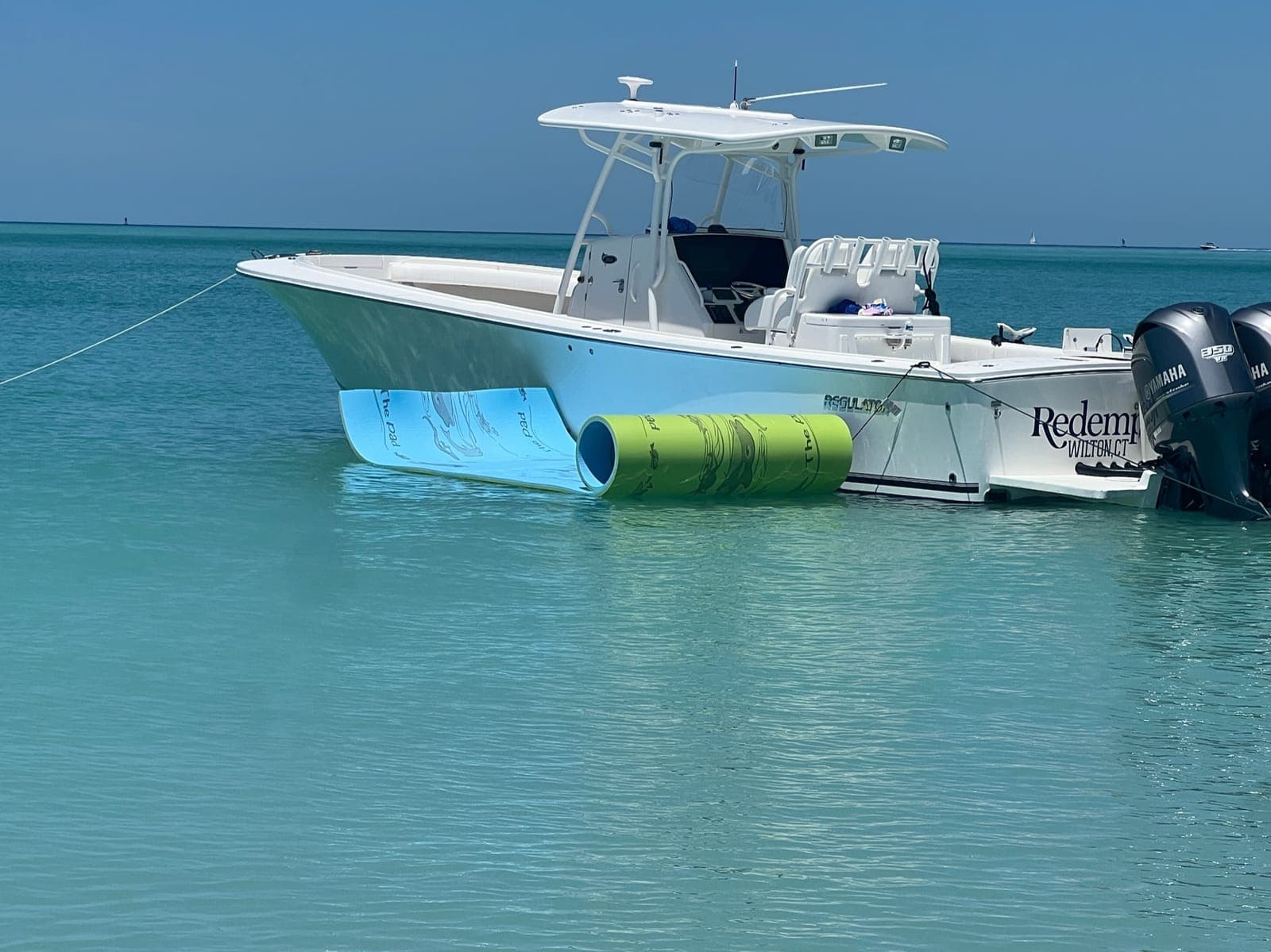
Schedule On-Water & Dockside Repairs
Dockside service across St. Pete, Clearwater, Tampa, Tierra Verde, and Gulfport.
When something stops working on your boat, the first question is usually who can fix it? The second should be where does it actually need to be fixed?
Many boat owners assume every mechanical problem means towing the boat to a repair shop or arranging a haul-out. That is often unnecessary. A large share of routine maintenance, diagnostics, electrical work, plumbing repair, and component replacement can be completed at the dock. Other jobs need a lift, a controlled shop environment, or equipment that cannot reasonably travel to the vessel.
Knowing the difference saves time, avoids an unnecessary haul-out, and gets the right technician and parts lined up before the first visit. This guide explains what mobile boat repair can usually handle, what belongs in a marine repair shop, and how we make that decision for boats across Tampa Bay.
The Short Answer: Start With the Repair, Not the Location
The best service location depends on four things:
- Access: Can the technician safely reach the system and work around it at the dock?
- Equipment: Does the repair require a lift, machine shop, spray booth, welding setup, or other fixed equipment?
- Containment: Can fluids, debris, dust, and removed parts be managed safely around the water?
- Testing: Can the completed repair be properly tested while the boat is in the water?
If the answer to all four points supports dockside work, mobile service is normally the simpler path. If the boat must be lifted or the repair requires controlled conditions, the shop is the correct choice.
That decision should happen during intake and diagnosis—not after a technician arrives with the wrong setup.
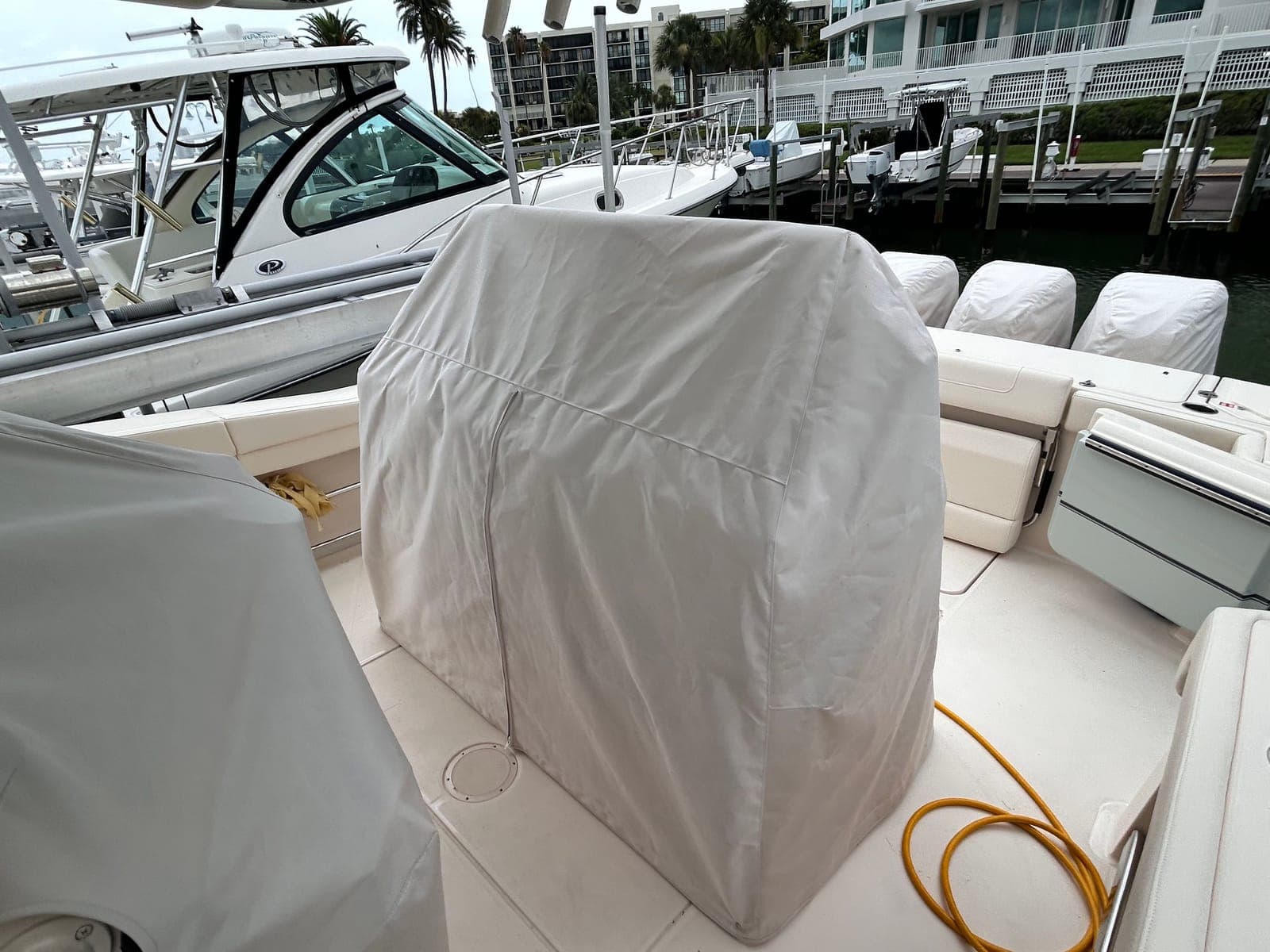
Boat Repairs That Can Usually Be Done at the Dock
Most serviceable systems are above the waterline and accessible while the boat is in its slip. That makes dockside repair practical for a much wider range of work than many owners expect.
Engine diagnostics and routine service
A mobile marine technician can usually scan engine fault codes, inspect alarms, test batteries and charging output, check fuel delivery, diagnose a no-start condition, and perform scheduled engine service at the dock. Oil and filter changes, spark plugs, fuel filters, water separators, belts, and many impeller services can also be completed without moving the vessel.
For interval work, our scheduled engine service covers the major 20-, 100-, 200-, 300-, and 500-hour checkpoints. For a fault or performance complaint, engine diagnostics is the better starting point.
Electrical and battery problems
Battery replacement, charging-system testing, corroded terminals, failed switches, lighting problems, bilge-pump circuits, float switches, and many wiring repairs are well suited to mobile service. The technician can test the system in its installed environment instead of trying to recreate an intermittent problem in a shop.
Larger rewiring projects may still be completed at the dock when access, shore power, weather protection, and marina rules allow it. See our marine electrical service for the systems we support.
Plumbing, pumps, and sanitation systems
Freshwater pumps, washdown pumps, bilge pumps, heads, holding-tank components, hoses, clamps, and many leak repairs can be diagnosed and replaced in the slip. The main exceptions are repairs involving inaccessible through-hulls or underwater fittings that require the boat to be lifted.
Marine AC, refrigeration, and generators
Many air-conditioning, refrigeration, and generator problems can be inspected and repaired aboard the boat. That includes electrical diagnosis, pump and flow issues, control problems, routine generator service, belts, filters, and component replacement when access is adequate.
Electronics and accessory installation
Chartplotters, radios, antennas, lighting, battery monitors, cameras, and other accessories are commonly installed dockside. A good intake process confirms the equipment, mounting location, network compatibility, cable routes, and required hardware before the visit.
Expert Marine Maintenance
From routine service to major repairs, our team of expert marine technicians handles it all. Full project management so you can enjoy your boat.
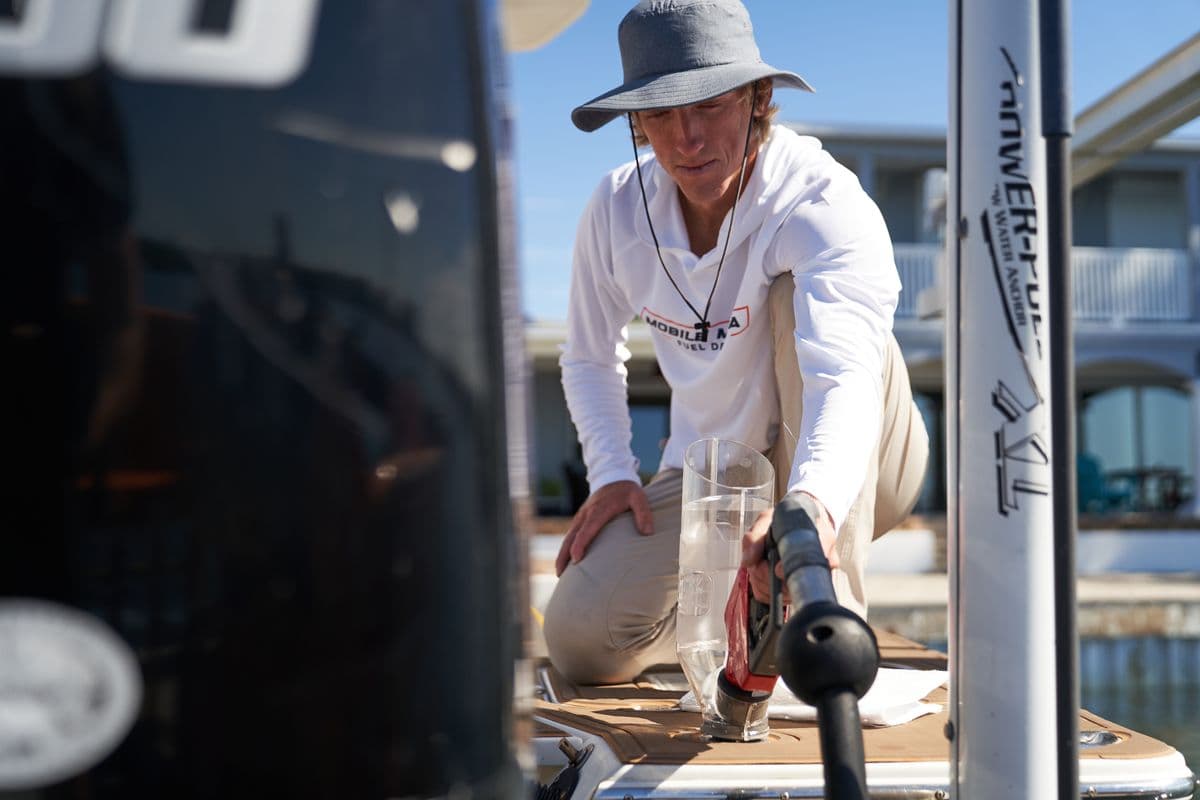
Expert Technicians
Certified marine specialists
Repairs That Usually Require a Shop or Haul-Out
Mobile repair is convenient, but it is not the right answer for every job. A reputable provider should tell you when moving the boat is safer or produces a better result.
Bottom and underwater work
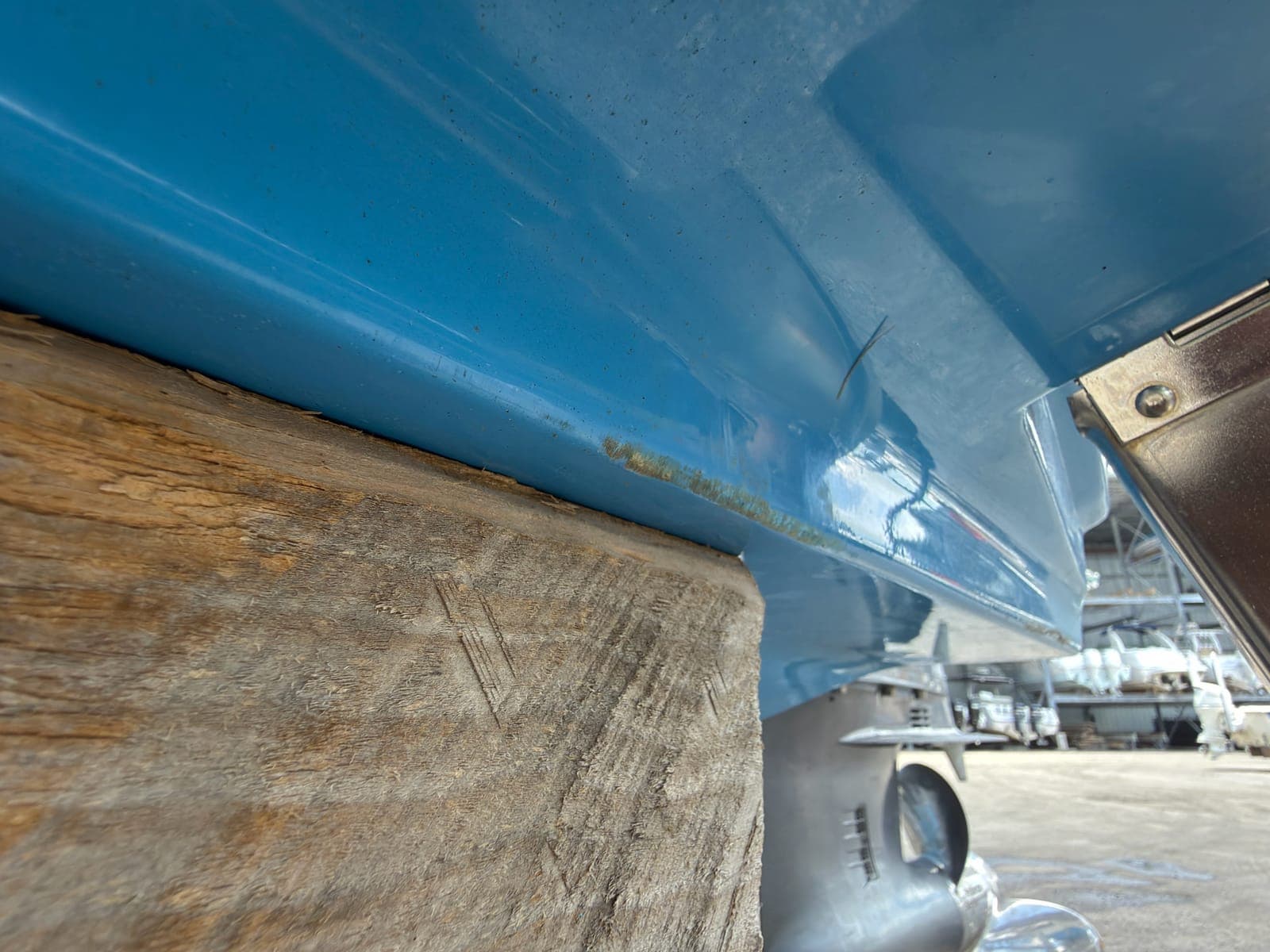
Bottom paint, underwater running gear, certain through-hulls, transducers, shafts, struts, and damage below the waterline usually require a haul-out. A diver can inspect some components, but inspection access is not the same as having the boat safely supported for repair.
Structural fiberglass and major gelcoat work
Small cosmetic work may be possible on-site, but structural fiberglass repair, extensive hull damage, and jobs that create significant dust or require tightly controlled temperature and humidity belong in an appropriate shop. The repair environment matters to the finished strength and appearance.
Internal engine and drivetrain rebuilding
Routine service and external component replacement are mobile-friendly. Major internal engine work, machining, complete rebuilds, and some lower-unit or transmission jobs require benches, lifting equipment, specialty tools, and controlled disassembly.
Repairs with unsafe or inadequate access
The part may be technically replaceable at the dock but still inaccessible without removing major structures or lifting the boat. Weather exposure, marina restrictions, insufficient shore power, or a workspace that cannot be made safe can also shift a job to a shop.
Mobile Repair vs. Shop Repair: The Real Tradeoffs
| Consideration | Mobile boat repair | Marine repair shop |
|---|---|---|
| Moving the boat | Usually unnecessary | Tow, trailer, or haul-out may be required |
| Diagnosis | Tests the system in its normal installed environment | Better access after removal or disassembly |
| Best for | Maintenance, diagnostics, electrical, plumbing, accessories, many component repairs | Hull, bottom, structural, machining, rebuilding, and heavy-equipment work |
| Scheduling | Built around marina access and mobile routes | Built around yard capacity and shop queue |
| Testing | Ideal for many operational and in-water tests | Ideal for controlled bench testing and major disassembly |
Mobile service is not automatically cheaper, and a shop is not automatically more thorough. The most economical choice is the one that avoids unnecessary handling while still giving the technician the environment required to complete and test the repair correctly.
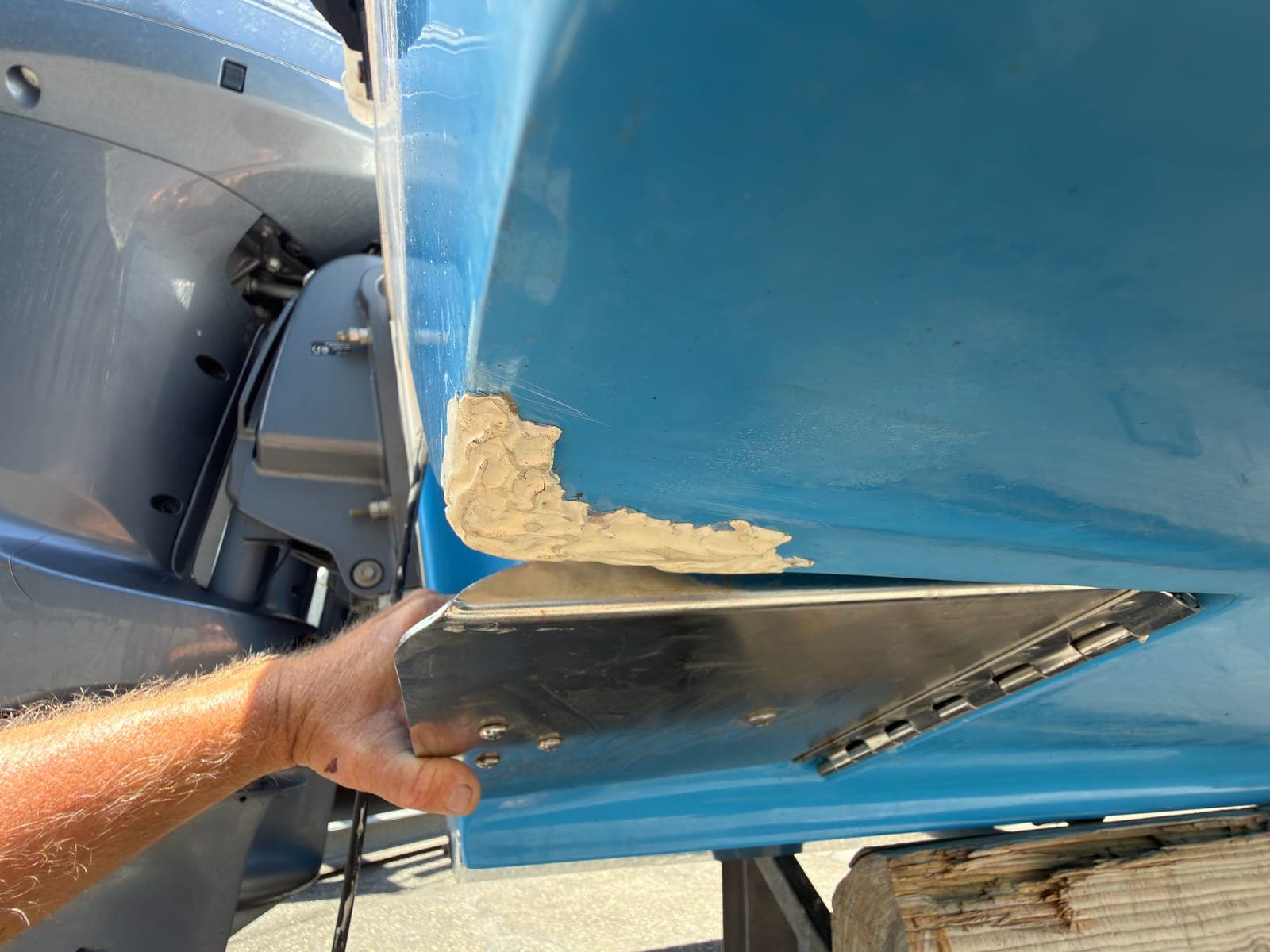
How to Make the First Visit More Productive
The quality of the intake often determines whether a technician can arrive prepared to diagnose and complete the work. Before scheduling, gather:
- Boat year, make, model, and length
- Engine make, model, serial number, and current hours
- A clear description of the symptom and when it occurs
- Photos or video of the system, alarm, leak, or damaged component
- Any fault codes shown on the display
- Recent service history and prior repair attempts
- Marina, dock, gate, parking, and access information
- Shore-power availability and any marina work restrictions
Do not replace parts based only on a symptom described over the phone. A weak battery, poor ground, restricted fuel supply, failed sensor, and damaged starter can all look like a similar no-start complaint. Diagnosis protects you from paying for the wrong repair.
What the Mobile Marina Process Looks Like
For dockside diagnostic work, Mobile Marina charges a $175 diagnosis fee. If you approve the repair, that fee is credited toward the final invoice. If you decide not to proceed, the visit is billed on its own and you keep the diagnosis in writing.
After diagnosis, we provide an itemized estimate covering labor, parts, and the expected service path. No work begins until you approve the scope and price. Jobs involving special-order parts require a 50% deposit before scheduling. When the work is complete, parts and labor are reconciled to the actual amounts and the final invoice includes service documentation and photos.
If disassembly reveals an additional problem, we stop, document what changed, revise the estimate, and get approval before continuing. Some jobs legitimately take two visits: one to diagnose and identify the correct parts, and another to install, test, and finish the repair.
Get Fuel Delivered to Your Slip
Download the Mobile Marina app to schedule dockside fuel delivery, manage your vessel, and access all our services from your phone.

Tampa Bay Location Matters
Dockside work depends on access as much as geography. A boat at a private lift in Tierra Verde presents a different setup than a wet slip in Clearwater or a gated marina in St. Petersburg. Wind, rain, tide, parking distance, dock power, and marina contractor policies can all affect the work plan.
Mobile Marina provides marine maintenance services throughout St. Petersburg, Tampa, Clearwater, Gulfport, Tierra Verde, and surrounding Tampa Bay communities. During intake, we confirm the boat location and access details so the technician can arrive with an accurate plan.
Frequently Asked Questions
So, Should You Call a Mobile Mechanic or a Shop?
Start with mobile service when the problem involves routine engine maintenance, diagnosis, electrical systems, batteries, plumbing, pumps, AC, refrigeration, generators, or electronics. Start with a shop or haul-out facility when the work is structural, below the waterline, dependent on heavy equipment, or unsafe to complete at the dock.
If you are unsure, you should not have to make the technical call yourself. Send us the boat information, symptoms, photos, and location. We will tell you whether the likely path is on-water repair, a scheduled dockside service, or a shop-based repair—and explain why before you commit to the job.
Ready to get the problem diagnosed? Request a maintenance estimate or call (727) 607-1050.
Related Marine Maintenance Resources
Marine Maintenance Services | St. Pete Boat Repair | On-Water Repairs | Engine Diagnostics | Scheduled Engine Service | Service Areas