Congratulations on your new boat! The first month of ownership in Tampa Bay waters can make or break your relationship with boating — and we've seen too many first time boat owner tips get ignored until something expensive breaks. After five years of servicing hundreds of boats across Tampa Bay, our team has watched the same preventable issues sink new boaters' enthusiasm faster than a forgotten drain plug.
The difference between boaters who fall in love with the lifestyle and those who sell after one season often comes down to what happens in those crucial first 30 days. We've pulled water out of fuel tanks, replaced corroded parts that could've been prevented, and jumped dead batteries that should never have died — all because new owners didn't know what to prioritize first.
This guide walks you through the exact 30-day checklist we wish every new boater in St. Pete, Clearwater, and Tampa followed. You'll learn which maintenance tasks can't wait, how to avoid the most common (and costly) rookie mistakes, and when to call for professional help versus handling things yourself.
What Every New Boat Owner Should Know First
Congratulations — you've joined Tampa Bay's massive boating community. But here's what nobody tells you at the boat show: owning a boat isn't like owning a car. Your new vessel is sitting in one of the most corrosive environments on Earth, getting hammered by UV rays, salt air, and afternoon thunderstorms that can dump three inches of rain in an hour.
Most first time boat owner tips you'll find online come from up north, where boats get winterized and stored on dry land for months. Down here, your boat lives in the water year-round, which means different maintenance schedules, different problems, and different priorities. The good news? You can use your boat every single month of the year.
Here's the reality check: plan to spend 10-15% of your boat's value annually on maintenance, fuel, insurance, and slip fees. That $50,000 boat? Budget around $6,000-7,500 per year to keep it running right. Some years will be less, others more — especially if you skip preventive maintenance.
Tampa Bay's unique conditions mean your biggest enemies are heat, humidity, and salt. Your engine will work harder in our shallow, warm waters. Your electronics face constant moisture. Your upholstery battles mold and mildew. The boats that last longest here are the ones with owners who stay ahead of first time boat owner tips instead of reacting to them.
The boaters who love ownership most are the ones who build maintenance into their routine from day one. Think of it like going to the gym — a little effort consistently beats sporadic heroic efforts every time.
Why This Matters in Tampa Bay
Tampa Bay's year-round boating season means your new boat will see more hours than most places in the country. While that's great for getting your money's worth, it also means accelerated wear on everything from engines to electronics. What might take a season up north happens in a few months here.
Our brackish water environment is particularly tough on boats. The mix of salt and fresh water creates ideal conditions for corrosion, especially around through-hulls, props, and any metal fittings below the waterline. Even boats kept in "fresh" water areas like the Hillsborough River deal with salt intrusion during high tides.
Florida's heat and humidity create a perfect storm for fuel problems. Ethanol-blend gasoline degrades faster in our climate, leading to phase separation and gum formation that can clog fuel systems. We see more fuel-related breakdowns in summer months than anywhere else — and summer here lasts about eight months.
These conditions make solid first time boat owner tips even more critical in our area. The maintenance schedule that worked for the previous owner in Michigan won't cut it here. You'll need to think about corrosion protection, fuel stabilizers, and more frequent inspections from day one. The good news? Once you understand what Tampa Bay throws at your boat, you can stay ahead of the problems instead of chasing them.
Expert Marine Maintenance
From routine service to major repairs, our team of expert marine technicians handles it all. Full project management so you can enjoy your boat.
Expert Technicians
Certified marine specialists
Common Mistakes to Avoid
We've been servicing boats in Tampa Bay for years, and we see the same expensive mistakes over and over again. Most of these could be avoided with basic first time boat owner tips that nobody seems to share until it's too late. Here's what we actually find when we inspect boats — and what these mistakes cost.
Ignoring the engine break-in service — This is the $8,000 mistake. New engines need their break-in service at about 20 hours (check your manual), not when it's convenient. Skip it and you put your warranty coverage at risk right when you need it most.
Running ethanol fuel without stabilizer — Tampa Bay's humidity accelerates fuel breakdown in as little as 30 days. We've pulled fuel tanks that look like chocolate milk because owners thought they could run regular gas like a car.
Anchoring in grass flats without proper technique — Dragging anchor through seagrass beds will earn you a hefty fine from FWC, plus you'll damage the prop when you try to power off the bottom. Learn to read the water depth and bottom type first.
Overloading the boat on the first trip — Your family plus coolers plus gear puts you over capacity faster than you think. We've towed boats that were taking on water because someone packed for a week-long cruise on a day trip.
Skipping the pre-departure checklist — Forgetting to put the drain plug back in is embarrassing. Forgetting to check your oil level before starting a brand new engine is expensive. Make a checklist and use it every single time.
What to Budget Beyond the Purchase Price
Most first-time boat owners focus on the purchase price and forget about the ongoing costs that hit every month. We see this constantly — someone buys a 25-footer for $30,000, then gets sticker shock when they realize they're looking at another $800-1,200 per month just to keep it in the water. The reality is that annual operating costs typically run 10-20% of your boat's value, and that's before you factor in upgrades or major repairs.
| Expense Category | Monthly Cost | Annual Range | Notes |
|---|---|---|---|
| Slip Fees | $400-1,000+ | $4,800-12,000+ | Varies dramatically by location and amenities |
| Insurance | $75-300 | $900-3,600 | Depends on boat value, type, and coverage |
| Fuel | $200-600 | $2,400-7,200 | Based on 2-3 outings per month |
| Maintenance | $150-400 | $1,800-4,800 | Routine service, bottom cleaning, winterization |
| Storage/Haul | $0-200 | $0-2,400 | Dry storage or hurricane haul-out |
Tampa Bay slip fees alone will surprise you. A 25-footer at Lands End Marina runs $495 per month, while Shell Point charges $400-500 depending on your contract length. Move closer to downtown Tampa and you're looking at $630 at The Mirasol, or over $1,000 for private slips in prime locations like Treasure Island. Don't forget to add electrical service — that's another $50-85 per month for 30-50 amp power.
Insurance varies wildly based on your boat's age, value, and how you plan to use it. A newer 25-foot center console might cost $1,200-2,000 annually to insure, while an older cabin cruiser could run $2,500-3,500. Most first-time boat owner tips skip this detail, but your lender will require full coverage, and you'll want it anyway given Tampa Bay's weather patterns.
The monthly reality check: that $30,000 boat is actually costing you $900-1,500 per month to own and operate. Factor this into your budget before you fall in love with something at the boat show, because the purchase price is just the entry fee to this lifestyle.
Your First 30 Days: What to Do First
Your first month as a boat owner sets the foundation for years of safe, enjoyable boating. We've helped hundreds of new boaters in Tampa Bay get started right, and there's definitely a smart sequence to follow. Think of this as your roadmap to becoming a confident captain.
Day 1-7: Handle the Paperwork
Get your Florida vessel registration — Visit your local tax collector's office with your title, bill of sale, and ID. You'll need the hull identification number (HIN) and registration fees based on your boat's length.
Secure marine insurance — Don't wait on this one. Get quotes from multiple carriers who understand Florida waters and hurricane risks. Many marinas require proof of insurance before you can slip your boat.
Complete your boating safety course — If you were born after January 1, 1988, Florida requires a boating safety education course for vessels over 10 horsepower. The BoatUS Foundation offers a free online course that takes about 3-4 hours and gives you a certificate good for 90 days while you wait for your permanent ID card.
Set up a relationship with a marine mechanic — Ask other boaters at your marina for recommendations. Getting on a good mechanic's schedule before you need emergency repairs is one of the best first time boat owner tips we can share.
Day 7-14: Learn Your Boat
Study your boat's systems — Spend time with the engine compartment, electrical panel, and through-hulls. Know where your seacocks are and how to shut them off. Read your owner's manuals cover to cover.
Take short trips in calm conditions — Start with a 30-minute cruise around your marina area on a calm day. Practice docking, anchoring, and basic maneuvers in familiar waters before venturing out to the Gulf.
Learn local waters gradually — Tampa Bay has shallow spots, busy channels, and specific navigation challenges. Start with protected areas like Bayboro Harbor or the Intracoastal before heading to open water.
Day 14-30: Build Good Habits
Establish your maintenance routine — Create a pre-departure checklist and stick to it. Check engine oil, coolant, and belts every time you go out. Fresh water flush after every saltwater trip.
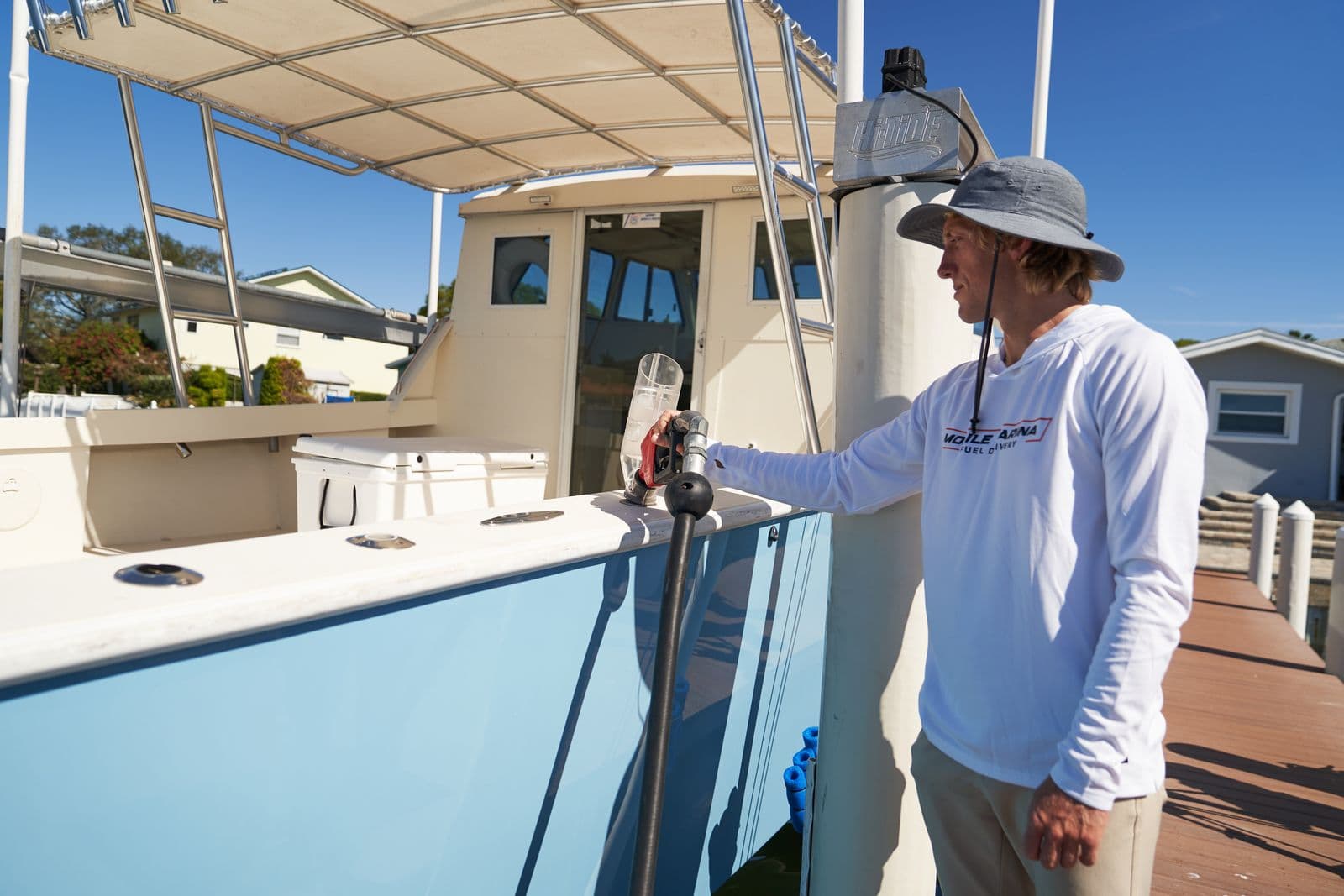
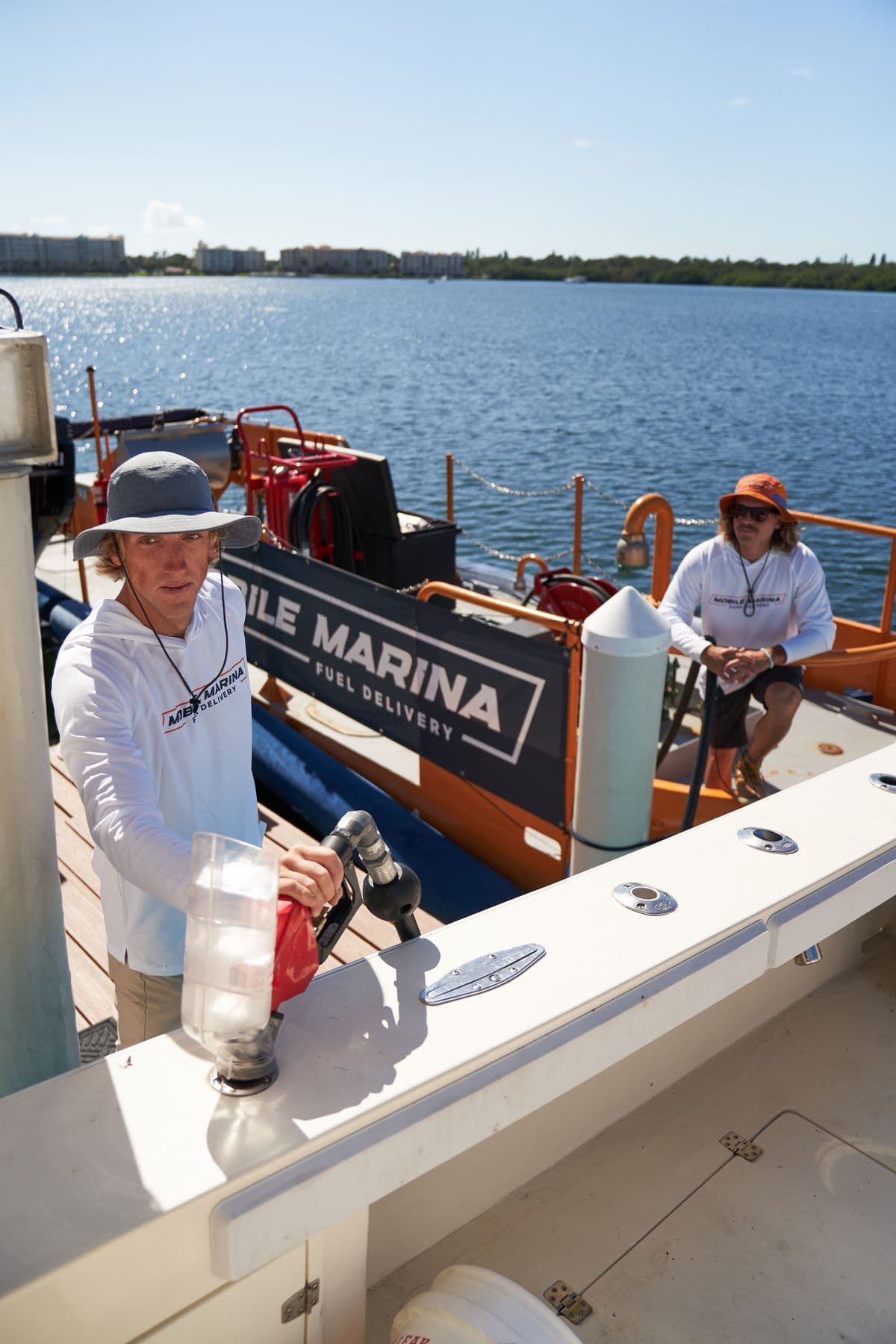
Set up fuel delivery — Skip the hassle of fuel dock lines and schedule regular dockside delivery. We service most marinas in St. Pete, Clearwater, and Tampa, and having consistent fuel quality helps your engine run better.
Join the local boating community — Connect with other boaters at your marina, join a yacht club, or find a boating group on social media. The Tampa Bay boating community is incredibly welcoming and full of local knowledge you can't get from books.
By day 30, you should feel comfortable with your boat's basic systems and confident handling her in calm conditions. The real learning never stops, but you'll have built the foundation for safe, enjoyable boating in Tampa Bay waters.
Essential Gear and Safety Equipment
Getting your safety gear sorted is one of the most important first-time boat owner tips we share with new boaters. Florida has specific requirements, and Tampa Bay's conditions add a few more items to the "must-have" list. The good news is that most marine stores in the area stock everything you need, and our team can point you toward the essentials during your first few deliveries.
We always tell new boaters to think beyond just meeting the legal minimums. While Florida law covers the basics, experienced Tampa Bay boaters carry additional gear that can turn a minor problem into just a good story later.
What Florida Law Requires
- Personal Flotation Devices (PFDs) — one Type I, II, or III for each person on board, plus one throwable Type IV device for boats 16 feet and longer
- Fire extinguisher — at least one B-I rated extinguisher for boats with enclosed engine compartments or fuel tanks
- Sound signaling device — horn, whistle, or bell depending on your boat size
- Visual distress signals — required for boats operating in coastal waters beyond the inlet (flares, flags, or electronic signals)
- Navigation lights — proper running lights for nighttime operation
What Experienced Boaters Recommend
- VHF marine radio — essential for Tampa Bay, monitor channel 16 for emergencies and channel 9 for bridge openings
- Proper anchor and rode — at least 7:1 scope ratio for our sandy bottom conditions, with enough line for the deepest spots you'll fish
- Sun protection — wide-brim hats, reef-safe sunscreen, and long-sleeve shirts for those long days on the flats
- First aid kit — waterproof kit with basics like bandages, antiseptic, and seasickness medication
- Toolkit — basic tools, spare fuses, electrical tape, and zip ties for minor repairs
- Extra dock lines and fenders — Tampa Bay's afternoon storms can kick up quickly
Where to Launch and Dock in Tampa Bay
Finding the right place to launch and dock is one of the most practical first time boat owner tips we share. Tampa Bay has dozens of public ramps and marinas, but not all are created equal for beginners. You'll want protected waters, good parking, and facilities that won't leave you stranded.
Here are our go-to recommendations for new boaters:
- Ballast Point Park (5300 Interbay Blvd, Tampa) — Free launch, single paved ramp, calm bay access. Perfect for first-timers.
- Davis Island Boat Ramp (End of Severn Ave, Tampa) — Free launch, 4 lanes total, protected from wind. Gets busy on weekends.
- Lowry Park (7525 North Blvd, Tampa) — Free launch, 2 ramps with docks, easy river access to the bay.
- Fort De Soto Park (Tierra Verde) — $5 launch fee, multiple ramps, excellent beginner waters near the mouth of the bay.
If you're launching regularly, grab a Hillsborough County annual boat ramp pass for $100 — it pays for itself after 20 launches. The pass works at county ramps and some city facilities. First responders get 25% off, and disabled residents get 50% off with proper documentation.
For overnight docking, the City of Tampa Marina charges $2 per foot per day, which is reasonable for transient slips. Most marinas in our service areas offer monthly rates if you need regular dockage. As a new boater, avoid the shipping channels near the port and stay off the shallow grass flats until you've got good charts and experience reading water depth.
Start with these protected areas and work your way up to more challenging waters as you build confidence. The bay can be forgiving, but it demands respect — especially when the afternoon thunderstorms roll in.
When to Handle It Yourself vs. Call a Pro
Look, we get it — you're excited about your new boat and want to learn everything. But here's some honest first time boat owner tips from folks who've seen plenty of expensive DIY disasters: know where to draw the line. Some maintenance tasks are perfect for learning, while others can turn a $200 service call into a $2,000 repair bill if you mess them up.
| Task | DIY Cost | Pro Cost | Mess-Up Cost |
|---|---|---|---|
| Basic engine oil change | $50-80 | $150-200 | $300-500 (wrong oil type) |
| Fuel system service | $100-150 | $300-400 | $1,500-3,000 (contamination) |
| Impeller replacement | $30-50 | $200-250 | $2,000-5,000 (overheating damage) |
| Battery maintenance | $20-40 | $100-150 | $400-800 (electrical damage) |
| Prop inspection/cleaning | Free | $75-100 | $200-500 (bent shaft) |
| Through-hull inspection | Free | $150-200 | $5,000+ (sinking) |
The sweet spot for new boaters? Start with the basics like checking fluids, cleaning, and visual inspections. Our captains always tell new boaters in Tampa Bay to handle the simple stuff — washing, checking dock lines, basic battery care. But anything involving the fuel system, cooling system, or below-waterline components? Call a pro until you've got more experience under your belt.
Remember, Tampa Bay's saltwater environment is particularly tough on boats. What might be a simple DIY job up north can quickly become a corrosion nightmare down here if you don't know the local tricks. When in doubt, ask — most marine mechanics would rather answer a quick question than deal with a weekend emergency call.
How Mobile Marina Helps
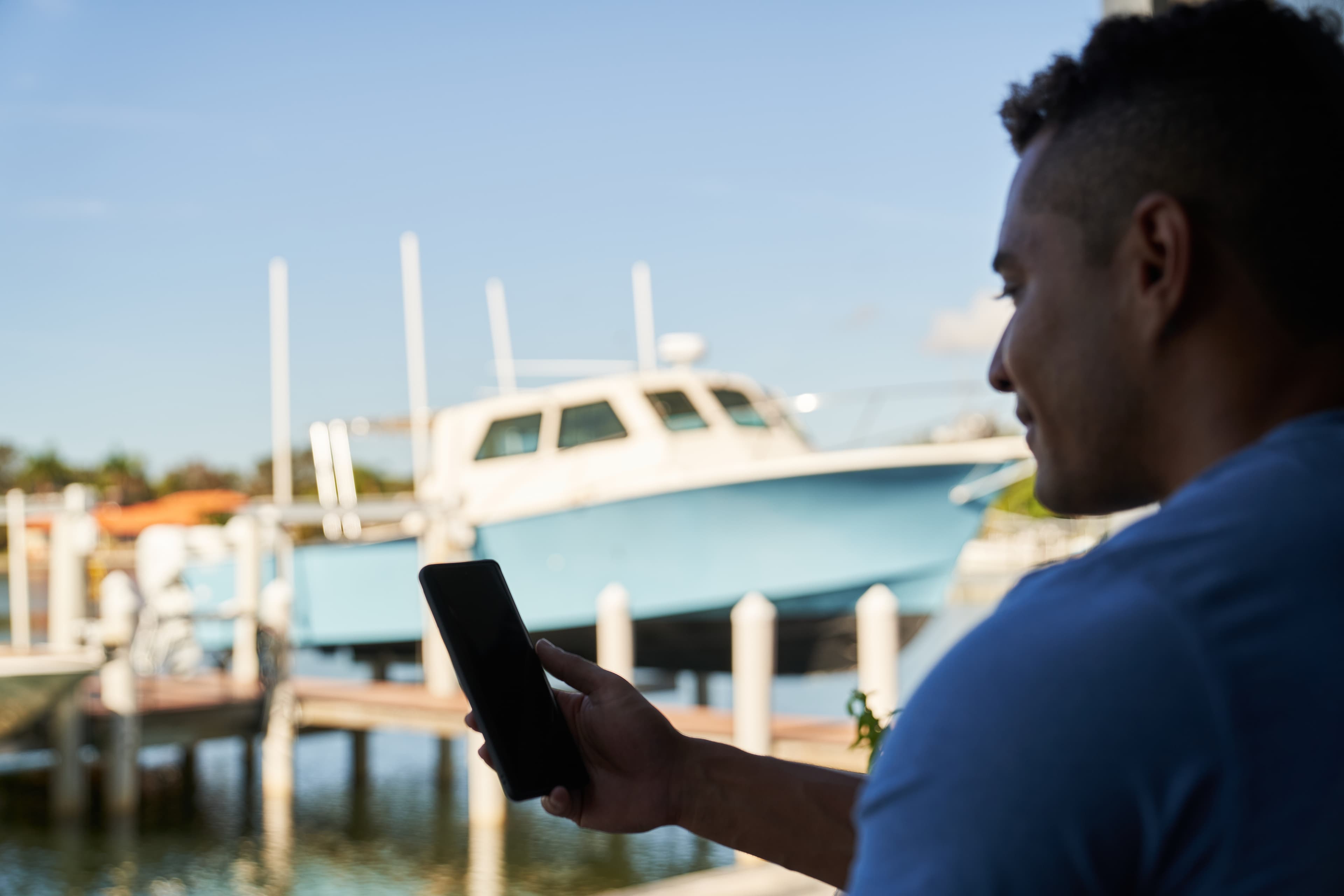
Here's the thing about boat maintenance — it's not just about knowing what needs to be done, it's about finding the right people to do it. When you schedule through our app or call (727) 761-1173, we line up certified technicians who actually know your specific engine and systems. We're not just sending whoever's available that day.
We keep track of what's due and when, so you don't have to remember if your last oil change was in March or May. Our team maintains digital service records for every boat we work on, which comes in handy when you're trying to figure out maintenance history or need documentation for warranty work. It's one of those first time boat owner tips that saves you headaches down the road.
The real benefit is that we coordinate everything around your schedule and location in Tampa Bay. Instead of hauling your boat to three different shops for engine work, electronics, and detailing, our certified techs come to your slip. You can actually use your boat while we handle the logistics of keeping it running properly.
Get Fuel Delivered to Your Slip
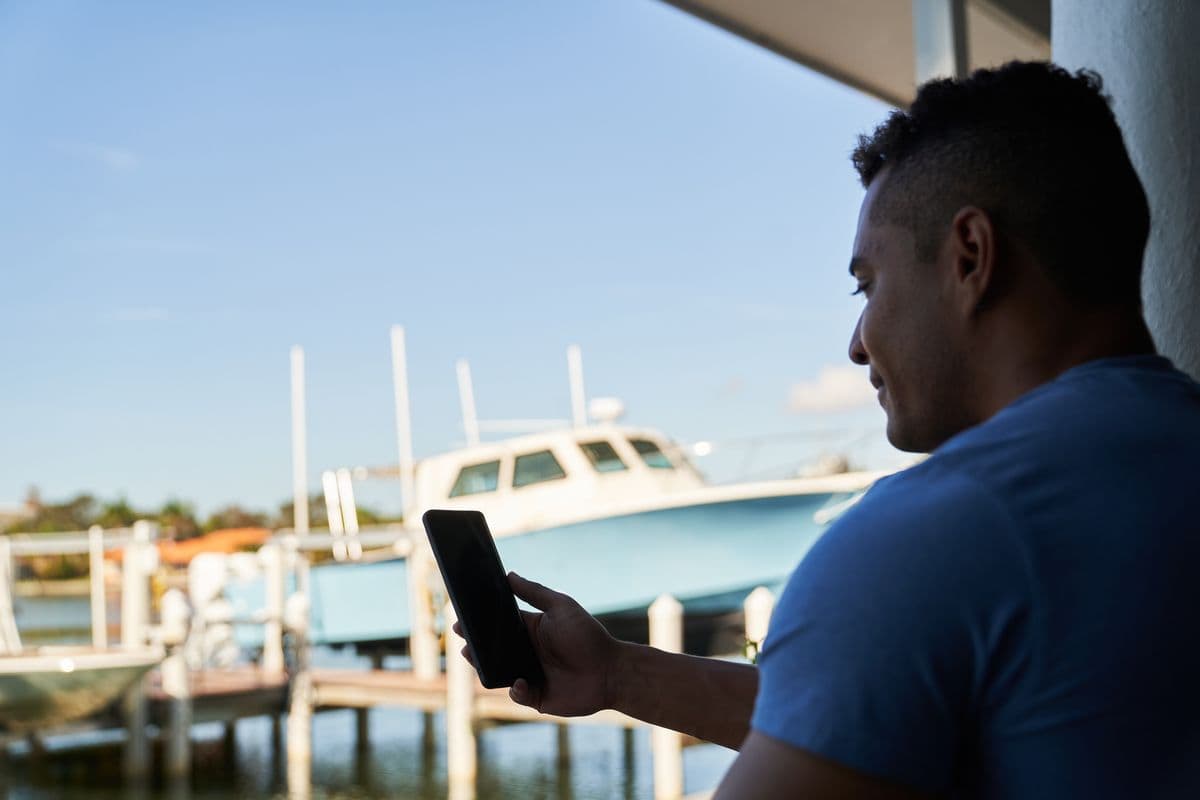
Download the Mobile Marina app to schedule dockside fuel delivery, manage your vessel, and access all our services from your phone.
Frequently Asked Questions
The Bottom Line
Your first 30 days as a boat owner set the tone for everything that follows. The biggest mistake we see new boaters make? Trying to handle everything themselves instead of building relationships with reliable marine service providers from day one.
Focus on the fundamentals — fuel quality, basic safety gear, and establishing a maintenance routine. Everything else can wait. Remember, every experienced boater in Tampa Bay started exactly where you are now, and we're all here to help.
Ready to take the stress out of boat ownership? Contact us for a free maintenance estimate and let our USCG-certified team show you how easy boat care can be. Call (727) 761-1173 or visit mobilemarina.co to get started. We serve St. Petersburg, Clearwater, Tampa, and communities throughout Tampa Bay.
Related: Contact Us | Boat Maintenance Services | Vessel Management | Service Areas | First Time Boat Owner Heres Your First 30 Days In Tampa Bay