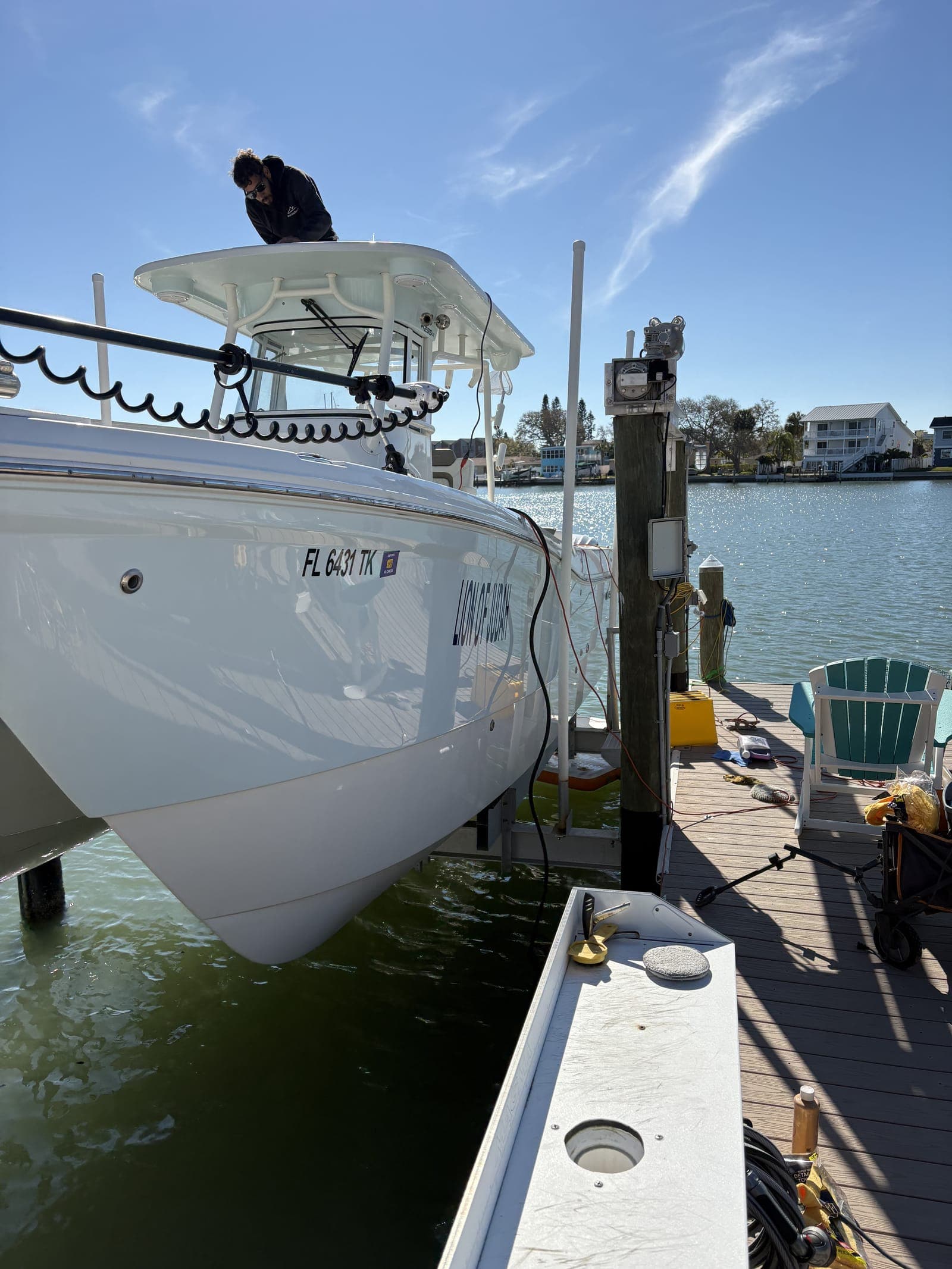
If you own a boat in Tampa Bay and you're honest with yourself, there's a version of this that sounds familiar: you're paying for a slip in St. Pete or Clearwater, you haven't been out in three weeks, and somewhere in the back of your mind you're wondering whether the bilge pump is working, the batteries are charged, and if that small gel-coat crack got worse after the last storm. Yacht management exists to solve exactly that problem. But most of what you'll find online is written for 80-foot charter fleets and corporate ownership groups, not for the 32-foot center console or twin-engine cruiser sitting at a marina in Tierra Verde or Gulfport.
That's why we built our program the way we did. Our yacht management program is for recreational owners in the 28- to 55-foot range who want their boat ready when they are: inspected, fueled, cleaned, and mechanically sound, without having to play project manager every week. We run scheduled routes across Tampa Bay, so your vessel gets consistent attention whether you're aboard every weekend or out of state for a month.
This article covers what a yacht management contract actually includes, what it costs with real numbers across three contract structures, and the questions to ask any company you're evaluating, including us. Even if you end up hiring someone else, you'll know exactly what to look for.
What Yacht Management Actually Is (And What It Isn't)
If you've been searching for "yacht management," "vessel management," or "boat management services," you've probably noticed that every company seems to define it differently. Some are really talking about concierge services. Others are brokerages that tacked on a management page.
Yacht management is a recurring service where a professional inspects, maintains, and documents your boat on a scheduled cadence — typically monthly. The two words that matter most are consistency and documentation. This isn't someone swinging by when you call because something broke. It's a trained captain who knows your boat, sees it on a regular schedule, catches small problems before they turn into expensive ones, and keeps a paper trail of everything. That documentation matters more than most owners realize, especially when it's time to sell or file an insurance claim.
Here in Tampa Bay, where salt air, UV exposure, and summer thunderstorms are constantly working against your boat, that kind of regular attention is the difference between a vessel that holds its value and one that quietly deteriorates at the dock.
A lot of boaters in St. Pete, Clearwater, and Tierra Verde confuse yacht management with other services that sound similar but work very differently. Here's how they actually break down:
| Service | What It Actually Is | Scheduled & Documented? | Catches Issues Early? |
|---|---|---|---|
| Yacht Management | Recurring inspections, maintenance coordination, full documentation | Yes — monthly cadence | Yes |
| Boat Sitting | Someone watches the boat — a friend, neighbor, or hourly helper | No | Rarely |
| Concierge | Provisioning, dock reservations, party planning | No | No |
| Brokerage | Buying and selling boats | No | No |
| Charter Management | Running your boat as a rental business | Varies | Sometimes |
| One-Off Repairs | A la carte service calls when something breaks | No | No — reactive only |
The big takeaway from that table is the right-hand column. Yacht management is the only service model built around preventing problems, not reacting to them. Boat sitting might keep an eye on things, but there's no structured inspection and no documentation. A concierge service will stock your fridge and book your slip at a destination marina — that's a completely different industry. And one-off repair calls only happen after you've already noticed something wrong, which usually means the problem has been brewing for weeks or months.
You'll also see the term "yacht concierge" used in some markets as an upmarket way to describe what's really management work. The label doesn't matter much — what matters is whether the company is actually putting trained eyes on your boat every month and writing down what they find. If they're not doing both of those things, it's not yacht management. It's something else with a nice name.
What's Actually Included: The Inspection Tier Story
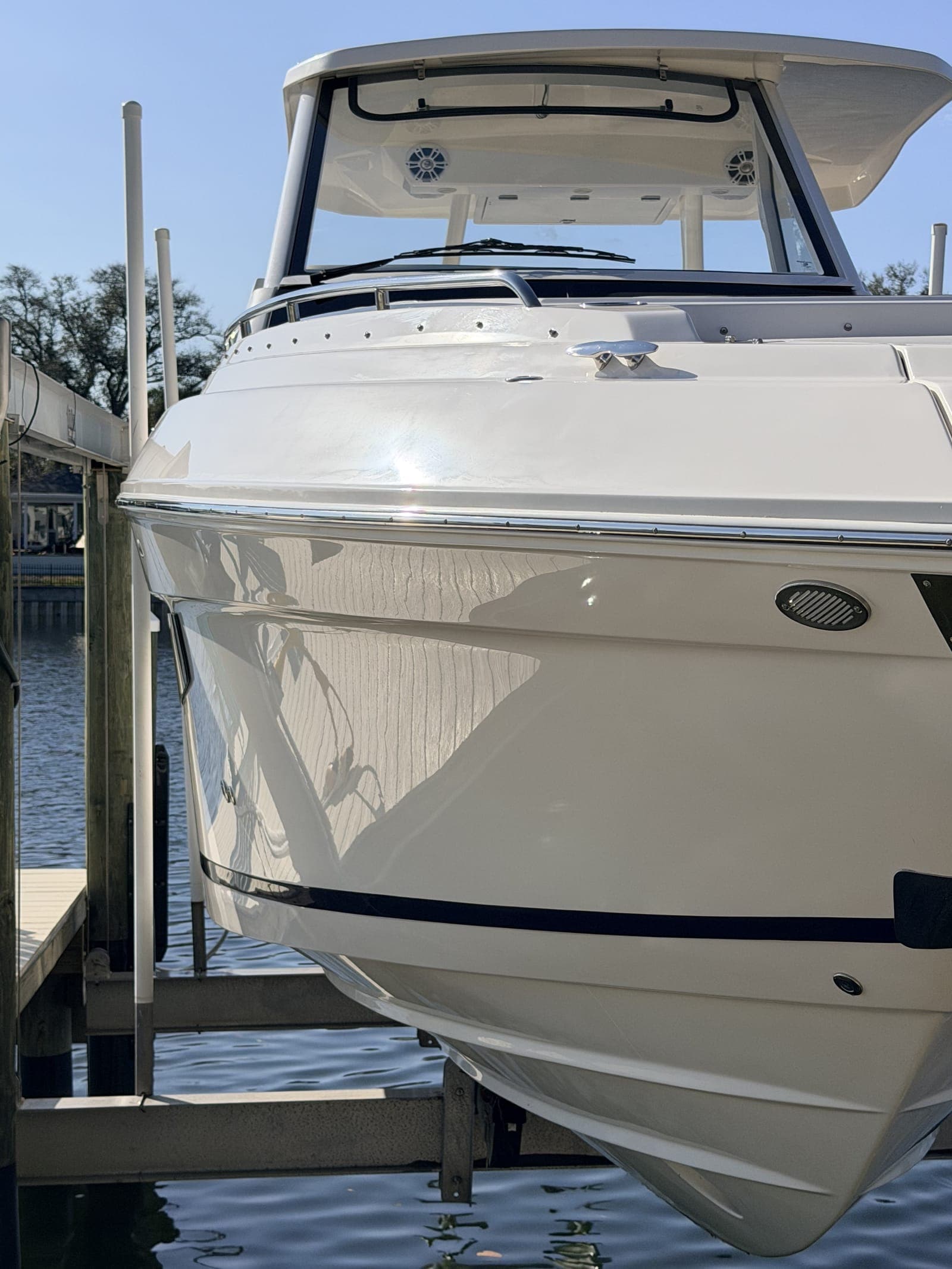
Most boaters hear "monthly inspection" and picture someone walking past their slip, kicking a fender, and sending a bill. That's not what we're talking about here. Every yacht management inspection we run is a documented, point-by-point checklist — and the number of points scales with the size and complexity of the vessel. Our USCG-certified captains don't just eyeball things. Every single checkpoint gets photographed and logged in the Mobile Marina app, so you can pull up your boat's full service history from your phone whether you're at home in Tampa or halfway across the country.
We break inspections into three tiers based on boat length, because a 22-foot center console and a 50-foot motor yacht aren't even in the same conversation when it comes to what can go wrong.
Small Boats (Under 25 ft)
This covers the essentials that keep a smaller boat safe and running between uses:
- Engine — hours logged, oil level check, belt condition, temperature, exhaust leak inspection
- Electrical — battery voltage, bilge pump operation, running lights, anchor lights, interior lighting
- Bilge — water level, pump function, hose integrity
- Deck — fittings, ground tackle, lines, fenders, hardware tightness
- Safety + documentation — full photo log of every checkpoint
For a boat on a lift in Gulfport or Tierra Verde that sits between weekend trips, these checkpoints catch the stuff that quietly goes sideways — a slow bilge leak, a corroded battery terminal, a running light that died two weeks ago.
Mid-Size Boats (25–45 ft)
This is where the checklist gets serious. You get everything from the small-boat tier plus cooling-system checks (raw-water strainer, impeller condition flags), hull inspection from above the waterline, standing and running rigging, electronics checks on your chartplotter, radar, and VHF, power steering, inverter status, and a review of safety equipment like flares and signaling devices. Tampa Bay's salt air and heat do real work on mid-size boats, especially ones that sit in the water full-time, and this tier is built around catching corrosion, electrical gremlins, and cooling issues before they strand you out past the Skyway.
Large Vessels (45 ft+)
This tier covers everything in the mid-size checklist and adds generator inspection (hours, oil, belts, temperature, exhaust), stabilizer checks, and full AC system review — filters, sea strainers, and temperature readings. If you're keeping a yacht at a St. Pete or Clearwater marina, the generator and AC alone justify this level of attention. Those systems run hard in Florida, and a failed AC unit in July isn't just uncomfortable — it's a mold factory.
Here's the part that matters most: every inspection ends with a written report. Issues found, severity rated, and recommended next steps — all in plain language, not mechanic-speak. If something needs actual repair work, we coordinate it through our maintenance services with your member discount applied. The inspection itself doesn't fix anything. It finds things, documents them, and gives you a clear picture of what your boat needs before a small problem turns into an expensive one.

Real Pricing: 12-Month Plans, Short-Term Contracts, and One-Time Visits
We're going to do something most yacht management companies won't: put actual numbers on the page. No "contact us for a custom quote" runaround. Here's what our plans cost, what they cover, and what the math looks like for different boat sizes across Tampa Bay.
12-Month Plans (Most Common)
The majority of our managed vessels sit on annual contracts. It's the best value, and it gives our captains enough recurring visits to actually catch problems before they turn into repair bills.
| Boat Size | Monthly Rate | Inspection Scope |
|---|---|---|
| Under 25 ft | $99/mo | Core systems — engine, electrical, bilge, deck |
| 25–45 ft | $199/mo | Adds cooling, rigging, electronics, safety gear |
| 45 ft + | $299+/mo | Adds generator, stabilizers, full AC system |
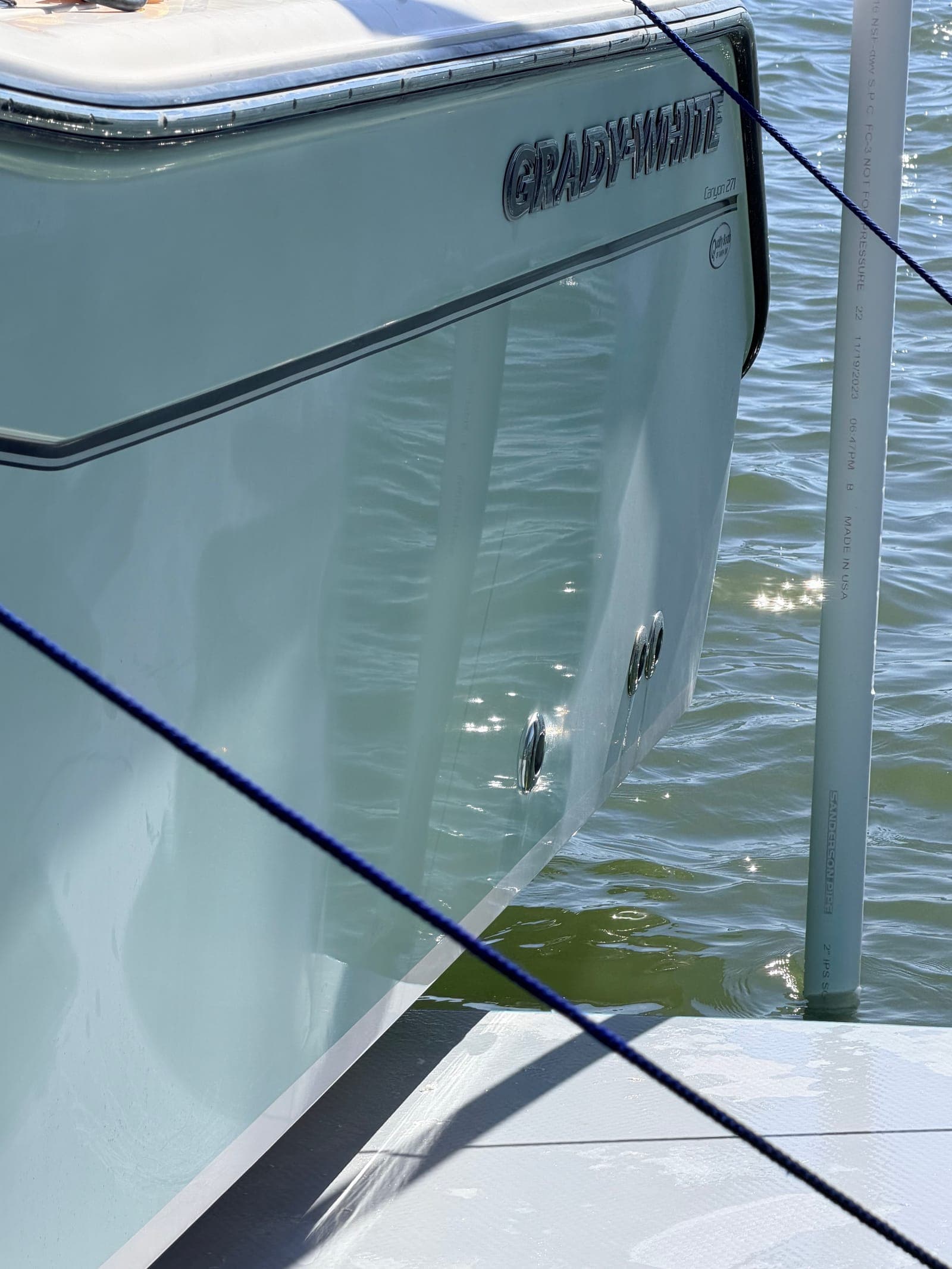
That puts your annual total between $1,188 and $3,588+ depending on the boat. For a vessel worth anywhere from $50,000 to north of $500,000, you're spending well under 1% to roughly 2% of its value per year on documented monthly oversight. A 28-foot Grady-White Canyon sitting at a Clearwater marina falls into the $199 tier — that's $2,388 a year for a boat that typically trades anywhere from $150,000 to $300,000+ in the Florida used market, so management runs you somewhere in the 0.8%–1.6% range of its value. A 50-foot motoryacht starts at the $299+ tier, and bigger boats with more systems flex upward from there.
Every managed customer also gets perks that offset the cost fast:
- 10% off all maintenance labor — engine service, electrical, plumbing, all of it
- $0.20/gallon discount on dockside fuel delivery across our St. Pete, Clearwater, Tampa, Tierra Verde, and Gulfport routes
- Full service history in the Mobile Marina app — every inspection, every repair, every fuel delivery is logged and queryable whenever you need it
Shorter Contracts and One-Time Visits
Not everyone needs a 12-month commitment right away. We run 3-month and 6-month contracts at a slightly higher monthly rate — there's a small premium because shorter terms cost more to administer, but the service is identical. These work well for seasonal residents who spend half the year up north, or for owners who want to try the program before locking in for a year.
For boaters who just need a single visit — pre-purchase inspections, pre-sale documentation, or a return-from-storage check — we run one-time service visits starting at $150 depending on boat size and scope. No contract, same documentation. You get the full report.
Is It Actually Worth It?
Here's the honest math: $2,388 a year is roughly what one preventable engine repair costs when it's caught early. One heat-exchanger replacement after a missed impeller change will eat that budget and then some. The inspections pay for themselves the first time they catch something you wouldn't have noticed until it left you stranded between Tierra Verde and Egmont Key.
One thing worth mentioning — you'll find competitors quoting $50 a month for "yacht management." Those programs are almost always boat-sitting: someone walks the dock, checks your lines, snaps a photo, and sends you a text. That's not the same thing as a USCG-certified captain running a documented 19-to-32-point inspection on your vessel every month. Both services exist, but they're not equivalent, and the pricing reflects that. If you're comparing quotes, ask what's actually being inspected and whether you get a written report.

$99
per month
Starting price for vessels under 25ft
Never Worry About Your Boat Again
Monthly inspections by USCG-certified captains keep your boat ready to go whenever you are.
Monthly Inspections
Comprehensive systems checks every month
Full Diagnostics
Engine, electrical, and navigation systems
Coordination
We schedule and manage all maintenance
Peace of Mind
Your boat is always ready when you are
Why Tampa Bay Specifically (And Why It Matters)
If you're coming from a northern market like the Chesapeake, Long Island Sound, or the Great Lakes, you're used to a built-in break. Boats get hauled in October, winterized, shrink-wrapped, and nothing happens until April. Factory maintenance schedules are written around that assumption: six months of use, six months of rest. Tampa Bay doesn't work that way. Your boat is in the water year-round, exposed to salt, sun, and humidity every single day. That changes the math on everything.
Here's what that looks like in practice:
| Factor | Seasonal Northern Market | Tampa Bay (Year-Round) | Why It Matters |
|---|---|---|---|
| Annual engine exposure | ~6 months active | 12 months active | 100 engine hours can arrive in under a year instead of two |
| Wax lifespan | Full season (5–6 months) | 6–10 weeks in summer sun | Gelcoat oxidizes faster without protection |
| Anode consumption rate | Slower in fresh/cold water | Accelerated in warm saltwater | Needs checking monthly, not seasonally |
| Ethanol phase separation risk | Lower in cooler temps | Higher — heat + humidity speed it up | Fuel goes bad faster sitting in the tank |
| Rubber/sealant aging | Gradual | Accelerated by Florida heat | Belts, hoses, and gaskets dry out sooner |
The takeaway from that table is simple: everything degrades faster here. Your maintenance windows are compressed, and the gap between "early warning sign" and "expensive failure" is shorter than you'd expect. Monthly inspections catch the stuff that sneaks up on you — white salt creep on battery terminals, a belt that's starting to crack, water accumulating in the fuel-water separator. All cheap fixes if you catch them early. All expensive if you don't.
There's another factor most people underestimate: how often the boat actually gets used. Whether you're a snowbird splitting time between Tampa and somewhere up north, or a business owner in Clearwater who keeps saying "this weekend for sure," most boats spend far more time tied to the dock than running. And a boat that sits needs more attention, not less. Bilge pumps fail silently. Batteries discharge. Float switches stick. Without someone checking on a regular cadence, you can come back to a boat that's taken on water. That's not a problem anyone wants to deal with on a Saturday morning in Tierra Verde.
The other thing worth knowing about yacht management in Tampa Bay is who the other companies are actually built for. Most of the names you'll find online, the big brokerages and charter fleet managers, are set up around mega-yachts or 80-foot-plus vessels with full-time crew. That's a different world. We're focused on the boats that actually fill the slips from St. Pete to Gulfport: 28 to 55-foot recreational vessels owned by real people. USCG-certified captains running monthly inspections, real reports with photos, and a team that knows these local waters and conditions firsthand. That's the difference between a program designed for a superyacht in Monaco and one designed for your boat at its home slip.
How Mobile Marina Approaches Yacht Management
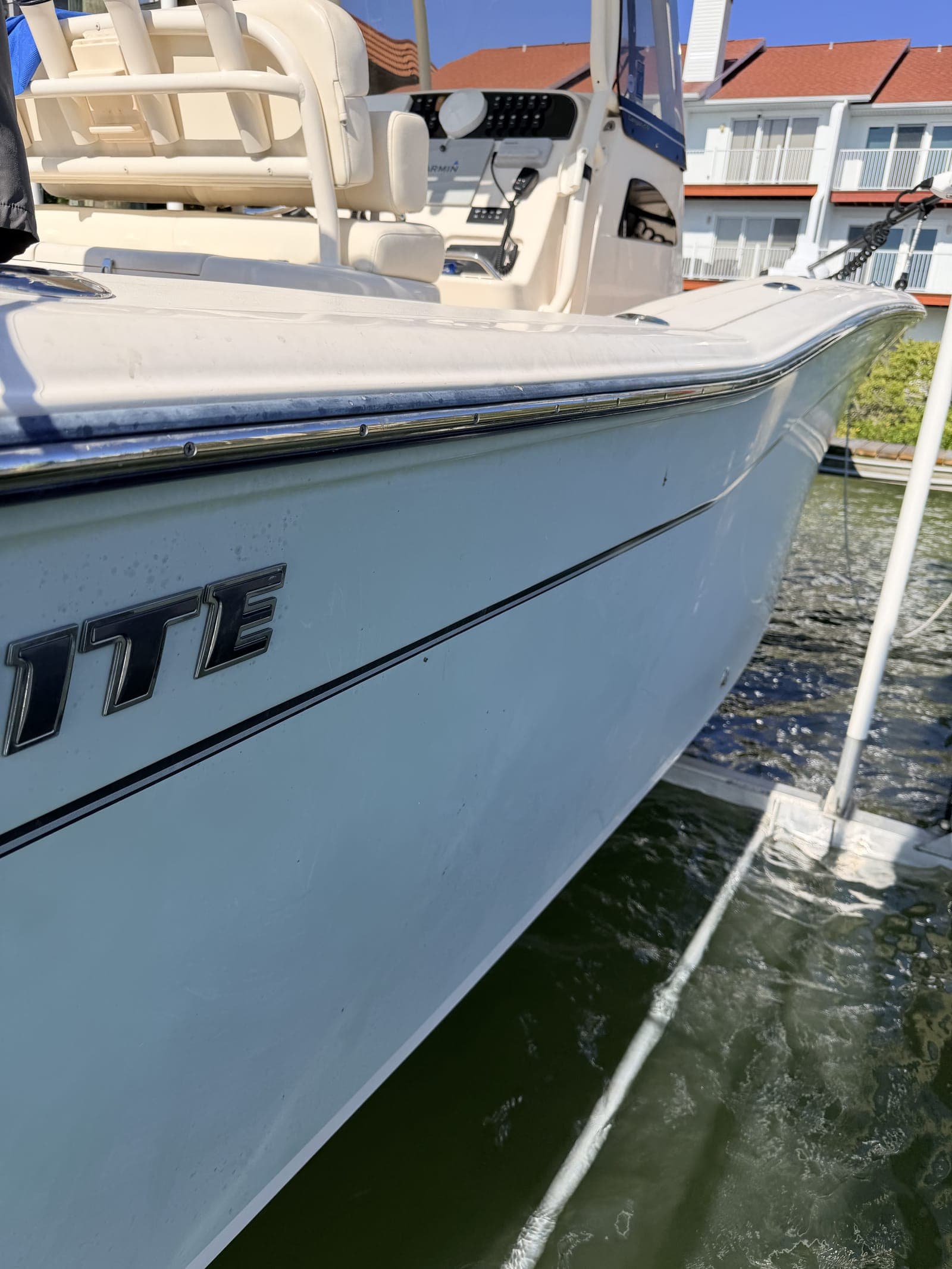
We built our yacht management program around one idea: show up when we say we will, document everything, and be honest about what we do and don't do. Every inspection is handled by a USCG-certified Master Captain — not a detailer with a checklist, not a dock hand doing a walk-around. These are licensed captains who know how to read gauges, spot corrosion patterns, and flag the kind of stuff that turns into an expensive problem if nobody catches it early. We run on a published monthly schedule that owners can see ahead of time, because "we'll swing by sometime this week" isn't a real service. It's a maybe.
Everything from every visit gets logged in the Mobile Marina app with photos, timestamps, and notes. That means you can pull up your boat's full history from your phone whether you're at your slip in St. Pete or on vacation somewhere landlocked. It's useful for more than peace of mind — when your surveyor asks for maintenance records at resale, you've got them. When you notice your anodes are wearing faster than usual, you can actually see the trend instead of guessing. The app turns "I think the boat's fine" into "here's exactly what's going on."
When an inspection turns up something that needs work, like a raw water impeller that's due or a battery that's dropping voltage, the handoff to our maintenance crew is built in. One company, one app, one bill, and owners get 10% off labor for any work that comes out of an inspection. No juggling three different vendors or waiting on callbacks from "a guy someone recommended." That said, we're not pretending to be everything to everybody. If your boat needs ceramic coating, gelcoat repair, or an upholstery rebuild, we'll connect you with a specialist partner we trust rather than do a mediocre job ourselves.
We also think it's worth being upfront about what falls outside our lane. We don't do charter management. That's a different world with its own licensing and insurance. We don't hire or coordinate crew for charter operations, and we're not brokers, though we'll work with yours if you're getting ready to sell. We're a scheduled service company, not a 24/7 emergency dispatch. If you want to talk through whether our program makes sense for your boat, give us a call at (727) 472-9883.
If a yacht management program sounds like what your boat needs, here's how to pick a company that's actually doing it instead of just calling it that.
Get Fuel Delivered to Your Slip
Download the Mobile Marina app to schedule dockside fuel delivery, manage your vessel, and access all our services from your phone.

How to Choose a Yacht Management Company (The Questions to Ask)
Hiring a yacht management company is a real decision — you're trusting someone with a significant asset in a saltwater environment that doesn't forgive neglect. Whether you're comparing us to another provider or just trying to figure out what "management" even means in practice, these five questions will tell you almost everything you need to know.
The Five Questions That Separate Real Programs from Boat-Sitting
"How many specific inspection points are on your checklist, and can I see a sample report?" — Real programs publish their inspection scope. If a company can't produce a sample report with 15+ specific checkpoints, you're probably paying for someone to take a photo of your boat and call it a visit. We inspect 19 to 32 points depending on your vessel, and every report is available in your account.
"Who actually does the inspection? What are their credentials?" — USCG-certified is a real credential with a real bar to clear. "We have great staff" is not an answer. You can ask for a captain's license number if you want — it's public record. Tampa Bay conditions demand people who know what they're looking at, especially during summer storm season and the salt exposure we deal with year-round.
"How is the inspection documented, and will I see history over time?" — Photos plus timestamped notes in a real system — an app, a portal, a customer dashboard — is the standard. Email summaries are weaker. Verbal reports over the phone are not yacht management. You should be able to pull up your vessel's history from six months ago without digging through your inbox.
"What happens when you find something that needs repair?" — This is where many programs fall apart. A real program hands off cleanly to a maintenance arm or a vetted partner network with member pricing. A program that says "we'll let you know" is leaving you to find the mechanic yourself — which defeats most of the point of paying someone to watch your boat.
"What's your cancellation policy and contract structure?" — A confident provider offers flexible terms, not just locked-in annual agreements. We offer 12-month plans at the lowest rate, short-term options at a variable rate, and one-time visits starting at $150 — same documentation either way.
If you ask these five questions and get clear, specific answers from any company — whether it's us or someone else — you're probably in good hands. If you get vague responses or pushback on showing you a sample report, that tells you something too.
For boaters keeping vessels anywhere from St. Pete to Clearwater, the local provider you choose should know the specific challenges here — hard water staining, salt corrosion, hurricane prep protocols, and the reality that a boat sitting at a dock in Tampa Bay deteriorates faster than one up north. The right company won't just check on your boat. They'll catch problems before they become expensive ones.
The Resale Value Math (Why Documentation Matters)
Two boats. Same year, same model, same engine hours. Boat A has three years of documented monthly inspections in the Mobile Marina app — date-stamped reports, photos of every checkpoint, a clean history. Boat B has a folder of receipts and the owner saying "I kept up with it."
Which one sells faster, and which one sells for more?
Both will eventually move. But Boat A:
- Passes the marine survey faster because the surveyor can corroborate the boat's reported condition against an actual inspection record.
- Reduces the negotiation discount. Buyers who suspect deferred maintenance tend to negotiate harder, and a clean, documented history takes that leverage off the table. A folder of loose receipts doesn't.
- Shortens time on market because the listing can credibly state "documented service history available" — and the photos prove it.
On a $100,000 boat, even a 5% reduction in negotiation discount is $5,000. Yacht management at $199/mo for three years runs $7,164. But you also got 36 documented inspections during those three years, member discounts on any work that came out of them, and substantially better maintenance outcomes along the way. The resale benefit is the closing chapter — the maintenance benefit is the rest of the story.
This is why documentation isn't a side feature. It's the part of the service that pays you back when you sell. For the broader math on what owning a Tampa Bay boat actually costs — and what management saves you — see our Tampa Bay maintenance cost breakdown.
Frequently Asked Questions
The Bottom Line
Yacht management is recurring scheduled inspections plus documentation plus coordination — not boat-sitting, and not charter management. In Tampa Bay, where the boating season never stops and the salt, heat, and humidity compress every maintenance interval, it's the difference between a vessel that holds its value and one that quietly deteriorates at the dock.
Mobile Marina runs scheduled-route monthly inspections across St. Pete, Clearwater, Tampa, Tierra Verde, and Gulfport. $99/month for boats under 25 ft, $199/month for 25–45 ft, $299+/month for 45 ft+ on 12-month contracts, with shorter terms and one-time visits also available. Every visit is run by a USCG-certified Master Captain and documented in the app. The point is simple: keep you on the water, not on the phone chasing vendors.
If you want to talk through whether the program fits your boat, call us at (727) 472-9883 for a free walkthrough, or open the app to see how the inspection dashboard works before you commit.
Related: Vessel Management | Boat Maintenance Services | Contact Us | Scheduled Engine Service | Outboard Maintenance